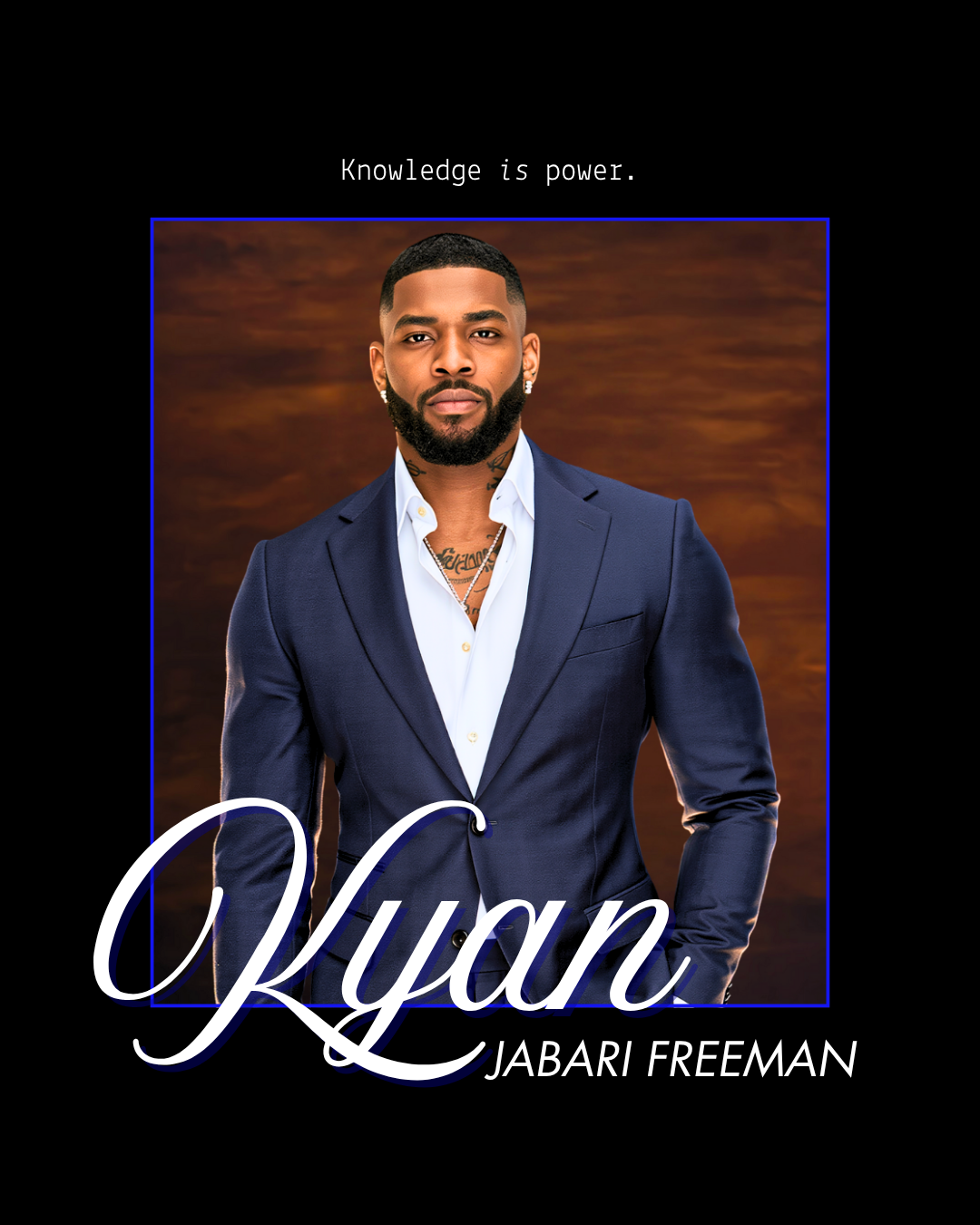
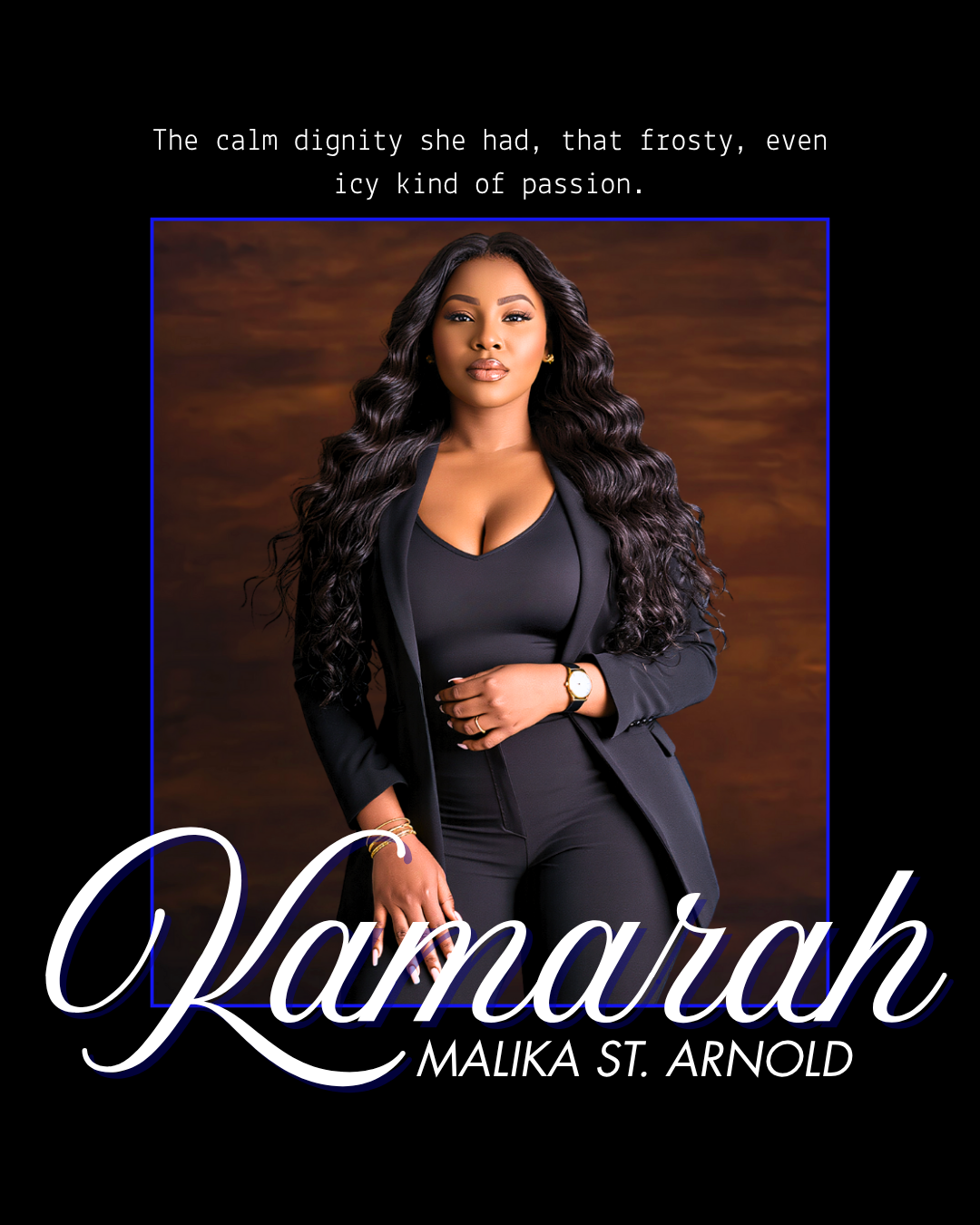
The Architect

What we build must hold.
Last Update: 5/28/2026
The Basics
Gift Class: Architects
Founding Line: Freeman
Common Color: Midnight Blue
Ancestral Function: Vision, design, structure, planning, systems, sacred geometry, infrastructure, preservation, and giving physical bones to what once existed only as idea.
Core Expression: Seeing the hidden design beneath people, places, systems, ideas, and futures, then shaping that vision into structure, path, pattern, protection, or form.
Rooted State: Vision with humility, structure as service, planning that protects life, and design that holds without controlling.
Ruptured State: Perfectionism, detachment, rigidity, control through design, emotional distance, overengineering, and treating people like pieces in a plan.
Gift Types: Blueprint Seers, Stonewrights, Pathmakers, Patternkeepers, Vaultbinders, and the rare Masterplanners.
Cultural Role: Architecture, infrastructure, engineering, urban planning, transit design, archives, logistics, sacred geometry, monument work, civic systems, and long-range strategy.
Reputation: Precise, composed, brilliant, intimidating, hard to impress, quietly powerful, emotionally restrained, and built to last.
Affinity Regions: Stonebridge, especially its bridges, canals, transit systems, archives, design institutes, civic structures, and elevated architectural estates.
A Quick Overview
The Seven Inheritances are the ancestral powers carried through Umberland’s bloodlines. Most citizens call them gifts. The Architect is one of those seven.
Architecture is the gift of vision made structure. Architects can perceive hidden design, sacred geometry, systems, routes, patterns, flaws, foundations, and long-term consequences. Their power is not limited to buildings, though buildings often become their most visible language. They can give physical bones to ideas, stabilize what is collapsing, map what is tangled, preserve what must endure, and design what others cannot yet imagine.
Their six primary Gift Types are Blueprint Seers, who perceive hidden designs before they become visible; Stonewrights, who work through physical structures, foundations, materials, and stability; Pathmakers, who understand movement, routes, bridges, access, and passage; Patternkeepers, who read cycles, repetition, sacred geometry, and systemic design; Vaultbinders, who create containment, preservation, archives, locks, wards, and protected spaces; and the rare Masterplanners, who can move through vision, structure, path, pattern, and containment as one whole system.
In a Rooted State, Architects build with purpose. They understand that structure should serve life, not replace it. In a Ruptured State, their gift can become cold, controlling, rigid, and dangerously convinced that the plan matters more than the people living inside it.
Core Expression
Architects move through the world structure-first.
Where some gifts move through feeling, care, voice, instinct, sight, or Spirit, the Architect gift moves through design. Through lines. Through angles. Through frameworks. Through the bones beneath the beauty. Through the hidden logic of a thing before anyone else knows what it wants to become.
Architects do not simply build. They perceive.
A skilled Architect can enter a room and sense where the tension gathers. Look at a family and feel the pattern repeating. Study a city and know which bridge will fail first, which road was built to conceal something, which archive is missing its most important door. They can look at an idea still trembling in someone’s mouth and begin to understand what form it needs in order to survive.
Their gift lives in the seat of vision, insight, perception, imagination, and inner sight. But where Guardians may see what is hidden spiritually, Architects often see how hidden things are arranged. They understand the shape of a problem. The design of a lie. The structure of a future. The flaw in a foundation before the crack appears.
In Stonebridge, the Freeman-held city where form becomes truth, this gift is treated as discipline and inheritance. Roads, railways, bridges, archives, transit systems, monuments, and civic bones are all part of the Freeman legacy. Nothing stands in Umberland for long without some Architect’s hand somewhere in its foundation.
The Two States
Every gift carries two possibilities: rooted or ruptured. A rooted gift becomes medicine. A ruptured gift becomes appetite.
The rooted State
In a Rooted State, Architects understand that vision is not ownership.
They can see what something could become without forcing it into shape before it is ready. They know that good structure does not suffocate. It holds. It supports. It makes room for life to move through it.
A Rooted Architect builds with humility. They ask what the people need, what the land can bear, what history must be honored, what future must be protected, and what should never be built simply because it can be. Their designs have breath in them. Doors where there should be doors. Windows where light needs to enter. Foundations strong enough for storms and flexible enough for change.
They make ideas livable.
They can help a dream become a plan, a plan become a structure, a structure become shelter, and shelter become legacy. Their gift is powerful because it turns the invisible into something others can stand inside.
A Rooted Architect remembers: I am not here to control the future. I am here to build what can carry it.
The ruptured State
In a Ruptured State, the Architect gift becomes a blueprint without mercy.
Vision turns into obsession. Structure turns into control. Planning becomes a way to avoid uncertainty, intimacy, grief, or surrender. A Ruptured Architect may begin to treat people like materials: useful, movable, flawed, replaceable, load-bearing.
Their rupture often begins with a wound that says: If I design it perfectly, nothing can fall apart.
So they plan too much. Correct too much. Measure the breath out of a room. Build walls where someone only asked for a handrail.
Some become emotionally detached, choosing systems over softness because systems feel safer than need. Others become rigid, unable to let plans evolve. They may destroy what is alive because it does not fit the design.
The danger of a Ruptured Architect is not lack of vision. It is vision without reverence.
They can make control look like stability. They can call domination “order.” They can create something beautiful and still forget to leave room for people to change.
Gift Types
The Architect gift is most commonly understood through six Gift Types: Blueprint Seers, Stonewrights, Pathmakers, Patternkeepers, Vaultbinders, and the rare Masterplanners.
These are not ranks. A Masterplanner is rare, but rarity does not make the other types lesser. Each type carries a distinct relationship to vision, structure, movement, pattern, preservation, and long-term consequence.
A Blueprint Seer can envision what has not yet taken form. A Stonewright can make the physical world hold. A Pathmaker can find or build the way through. A Patternkeeper can read what keeps repeating. A Vaultbinder can preserve what must not be lost. A Masterplanner can see how all the pieces speak to one another.
All of them are Architects.
Each type is sacred. Each type is dangerous. Each one requires humility, precision, patience, and the discipline to remember that people are not projects.
Because the Architect gift does not ask, “Can you build it?” It asks, “Should it stand?”
Blueprint Seers
Primary Domain: Vision, conceptual design, hidden structure, future forms, mental diagrams, invention, and pre-construction insight.
Elemental Quality: Vision.
Affinity Region: Stonebridge, especially The Concourse, Eastwell, design institutes, drafting rooms, observatories, civic planning halls, and quiet studios where ideas become structure.
Common Expressions: Seeing invisible frameworks, designing future structures, conceptual planning, invention, long-range strategy, system-mapping, sacred geometry, and translating ideas into buildable forms.
Rupture Risk: Detachment, perfectionism, future obsession, dismissing present needs, treating people like design elements, and refusing anything that does not match the vision.

Blueprint Seers are Architects who perceive the hidden design of a thing before it exists.
They may see structures, systems, routes, weaknesses, and outcomes in layered mental diagrams. For them, a building is not only walls. A family is not only people. A city is not only streets. Everything has a framework, and Blueprint Seers can often sense that framework before it becomes visible.
They are the dream-before-the-drawing Architects.
A Blueprint Seer can sit with someone’s half-formed idea and begin to understand its bones. They may see how a business should be structured, where a home wants to open, how a bridge should carry weight, or which part of a plan will fail if ignored. Their gift is deeply visionary, but its power depends on whether they can bring vision down into reality without worshiping it.
In a Rooted State, Blueprint Seers are inventors, strategists, designers, and future-builders. They help the unseen take responsible form.
In a Ruptured State, they may become so devoted to what could be that they lose tenderness for what is. They may dismiss the messy present because it offends the purity of the plan.
Body Signs
Blueprint Seers often feel their gift behind the eyes, at the temples, across the forehead, in the hands, and along the spine.
Their vision may arrive as mental overlays, grids, diagrams, flashes of proportion, or layered images that only they can see. A room may seem to reveal its hidden lines. A conversation may arrange itself into branches. An unfinished idea may appear inside them like a structure waiting for walls.
When grounded, their perception feels clear and spacious.
When overextended, they may experience headaches, eye strain, insomnia, dissociation, obsessive planning, or the inability to stay present because the future keeps calling louder than the room.
Intimacy
In intimacy, Blueprint Seers love by imagining what could be built together.
They may see the shape of a relationship before it has language. They notice potential, patterns, hidden desires, and the quiet ways a lover is still becoming. A Rooted Blueprint Seer can help a lover believe in a future without forcing them into it.
Their intimacy says, “I can see what you’re becoming, and I won’t rush the build.”
In rupture, though, they may fall in love with potential instead of personhood. They may design a future around someone who never consented to that blueprint. They may become disappointed when a lover grows in a direction the vision did not predict.
Warning
The danger of a Blueprint Seer is worshiping the vision.
A future is not sacred if it cannot make room for the living.
Their gift says: I see what this can become.
Stonewrights
Primary Domain: Physical structure, foundations, buildings, bridges, materials, stability, reinforcement, and structural endurance.
Elemental Quality: Stone.
Affinity Region: Stonebridge, especially The Concourse, Halden Rise, Covencrest, bridges, monuments, civic buildings, stone embankments, and old foundations.
Common Expressions: Strengthening structures, reading foundations, stabilizing buildings, sensing stress in materials, bridgework, monument restoration, protective construction, and material-based magic.
Rupture Risk: Rigidity, resistance to change, emotional hardening, overbuilding, refusing softness, and making permanence more important than life.

Stonewrights are Architects whose gift moves through physical structure.
They can sense weakness in foundations, read stress in stone, steel, glass, wood, concrete, and brick, stabilize damaged spaces, reinforce bridges, understand what a building can endure, and feel when a structure is carrying more than it should. They are often the most literal builders among the Architects, though their gift is no less spiritual for being practical.
A Stonewright can stand in a room and know if the walls are tired.
They can feel pressure in a bridge before the crack becomes visible. They may understand old buildings like elders: what they have survived, where they ache, what needs repair, what must not be disturbed.
In a Rooted State, Stonewrights create safety, shelter, and permanence that serves generations. They build for more than beauty. They build for use, survival, and legacy.
In a Ruptured State, they become rigid. They may refuse necessary change, over-fortify spaces, or value endurance so much that they forget some things are supposed to be renovated, softened, or released.
Body Signs
Stonewrights often feel their gift in the bones, hands, knees, shoulders, jaw, and feet.
A weak foundation may feel like pressure in their ankles. A stressed beam may ache in their shoulders. Stone may hum beneath their palms. Steel may feel cold or sharp in the teeth. Old buildings may make their bones feel heavy with history.
When grounded, they feel solid, steady, and physically present.
When overextended, they may develop joint pain, clenched jaws, back tension, fatigue, or emotional stiffness after spending too long inside damaged or unstable structures.
Intimacy
In intimacy, Stonewrights love through steadiness.
They are often the ones who make shelter feel real: a fixed step, a repaired door, a safe room, a home that does not shake when life gets loud. A Rooted Stonewright can make a lover feel protected without being trapped.
Their intimacy says, “I will build something that can hold us, but I will not turn it into a wall.”
In rupture, they may become immovable. They may resist emotional change, avoid vulnerability, or insist that a relationship remain exactly as originally built. They may confuse consistency with love and forget that living things need revision.
Warning
The danger of a Stonewright is mistaking permanence for devotion.
Not everything that lasts is alive.
Their gift says: What I build must hold.
Pathmakers
Primary Domain: Routes, movement, access, roads, bridges, transit, passage, logistics, resource flow, and hidden ways through.
Elemental Quality: Passage.
Affinity Region: Stonebridge, especially canals, transit hubs, bridges, The Concourse, riverwalks, tunnels, rail systems, elevated roads, and district crossings.
Common Expressions: Designing routes, opening pathways, finding hidden passages, clearing blockages, transit planning, bridge-building, logistics, resource movement, and creating access where none existed.
Rupture Risk: Controlling access, rerouting lives without consent, gatekeeping movement, strategic manipulation, and deciding who gets through and who stays trapped.

Pathmakers are Architects who understand movement.
They can sense how people, resources, secrets, power, and energy travel through a place. They know where roads want to go, where bridges are needed, which route is safest, which path hides danger, and where a blocked passage has begun to affect the whole system.
A Pathmaker does not only ask, “Where are we going?” They ask, “What is stopping us from getting there?”
Their gift is deeply tied to Stonebridge’s bridges, canals, transit lines, tunnels, and civic infrastructure. In a city built around enduring systems, Pathmakers are the ones who understand flow. They are logisticians, transit designers, escape-route planners, bridgeworkers, strategists, and the people called when a city, family, or movement has become stuck.
In a Rooted State, Pathmakers create access. They connect what has been separated and open ways through without forcing anyone to walk them.
In a Ruptured State, they control movement. They may decide who deserves a path, reroute people like cargo, or make dependence look like guidance.
Body Signs
Pathmakers often feel their gift in the feet, calves, hips, hands, chest, and inner ear.
Blocked movement may feel like restless legs. A wrong route may cause dizziness or tightness in the hips. A hidden passage may pull at their chest. Their feet may turn before their mind has chosen a direction.
When grounded, their body feels oriented.
When overextended, they may feel restless, unable to settle, anxious in blocked spaces, overstimulated by crowds, or frustrated when others refuse the path they can clearly see.
Intimacy
In intimacy, Pathmakers love by making room for movement.
They understand that people need ways in, ways out, ways back, and ways forward. A Rooted Pathmaker can help a lover navigate confusion without taking over the journey. They are good at saying, “Here are the doors. You choose which one is yours.”
Their intimacy says, “There is a way through, and I’ll walk beside you if you ask.”
In rupture, though, they may become controlling under the guise of guidance. They may plan a lover’s choices, steer outcomes, close off alternatives, or resent someone for choosing a path they did not design.
Warning
The danger of a Pathmaker is control disguised as direction.
A path is not a gift if it becomes the only option.
Their gift says: There is always a way through.
Patternkeepers
Primary Domain: Cycles, repetition, sacred geometry, lineage patterns, systemic design, behavioral loops, ritual structure, and recurring consequence.
Elemental Quality: Pattern.
Affinity Region: Stonebridge, especially Eastwell, archives, The Vault, design gardens, old brownstones, sacred geometry studios, libraries, and places where lineage and design overlap.
Common Expressions: Reading cycles, identifying repeating harm, preserving sacred structures, decoding symbols, mapping systems, studying lineage patterns, ritual correction, and redesigning what keeps failing.
Rupture Risk: Fatalism, obsession with repetition, emotional distance, manipulating cycles, refusing spontaneity, and believing people cannot change.

Patternkeepers are Architects who read repetition.
They can look at a city map, family conflict, ritual error, business collapse, ancestral feud, or old archive and say, “This has happened before.” Their gift perceives the design beneath recurrence. Not only what happened, but how it keeps happening.
Patternkeepers understand that structure is not always physical.
Sometimes it is behavioral. Sometimes it is generational. Sometimes it is spiritual. Sometimes it is the same wound returning in a new outfit.
In a Rooted State, Patternkeepers help people recognize loops and redesign them. They preserve wisdom without imprisoning the present inside the past. They are historians, systems analysts, ritual designers, archivists, lineage readers, and sacred geometry workers.
In a Ruptured State, Patternkeepers can become fatalistic or manipulative. They may believe cycles cannot be broken, or they may use their knowledge of patterns to control outcomes before others even understand the game.
Body Signs
Patternkeepers often feel their gift in the eyes, fingers, temples, breath, and nervous system.
They may notice repetition as visual rhythm: recurring numbers, mirrored gestures, repeated phrases, family mannerisms, architectural echoes, ritual misalignments, or emotional loops. Their fingers may tap patterns without thinking. Their breath may shift when a cycle reveals itself.
When grounded, pattern recognition feels calm and clarifying.
When overextended, they may become obsessive, anxious, overstimulated by disorder, or unable to stop connecting everything to something that came before.
Intimacy
In intimacy, Patternkeepers notice the loops.
They see how a lover apologizes, withdraws, reaches, avoids, performs, defends, and returns. In a Rooted State, this can make them patient and deeply perceptive. They can help name cycles without shaming the person inside them.
Their intimacy says, “I see the pattern, but I still believe in your choice.”
In rupture, though, they may become predictive and unfair. They may assume a lover will repeat the past before giving them room to be different. They may turn every conflict into evidence and every habit into a sentence.
Warning
The danger of a Patternkeeper is confusing pattern with fate.
What repeats is asking to be understood, not automatically obeyed.
Their gift says: The pattern tells on itself.
Vaultbinders
Primary Domain: Containment, preservation, archives, locks, wards, protected rooms, hidden chambers, secrecy, sacred records, and structural boundaries.
Elemental Quality: Seal.
Affinity Region: Stonebridge, especially The Concourse, The Waterhouse, The Spine, hidden archives, Covencrest, old banks, underground libraries, and secured design vaults.
Common Expressions: Creating archives, sealing rooms, preserving records, designing locks, protecting sacred objects, warding structures, containment rites, hidden chambers, and safeguarding knowledge.
Rupture Risk: Hoarding knowledge, secrecy as power, burying truth, imprisonment, overprotection, and deciding what others are allowed to know.

Vaultbinders are Architects who design containment.
They create archives, locked rooms, hidden chambers, sealed vaults, protective wards, safes, ritual containers, coded spaces, and structural boundaries around knowledge, objects, energy, or memory. Their work is related to protection, but their true gift is preservation through design.
A Vaultbinder understands that not everything sacred should be exposed.
Some things need holding until the right time. Some records need protection from corruption. Some objects need containment before they harm the untrained. Some truths need a room strong enough to survive the people who would edit them.
In Stonebridge, where archives, institutes, underground think tanks, and hidden civic planning structures already shape the city’s bones, Vaultbinders are both trusted and watched.
In a Rooted State, Vaultbinders preserve what must endure. They protect without hoarding and seal without erasing.
In a Ruptured State, they may bury truth, lock people out of necessary knowledge, or make preservation an excuse for control.
Body Signs
Vaultbinders often feel their gift in the hands, throat, chest, back, and ears.
A vulnerable archive may make their chest tighten. A broken seal may hum in their ears. Their hands may ache near locks, old keys, coded doors, or rooms holding too much unprotected memory. They may feel pressure along the back when something sacred is exposed.
When grounded, they feel contained but not closed.
When overextended, they may become guarded, secretive, physically tense, paranoid about exposure, or emotionally sealed off from people they love.
Intimacy
In intimacy, Vaultbinders are careful with access.
They may take time to open. They often honor privacy, memory, and the sacredness of what a lover chooses to reveal. A Rooted Vaultbinder can make intimacy feel deeply safe because they do not treat confession like currency.
Their intimacy says, “What you trust me with, I will not mishandle.”
In rupture, though, they may become emotionally locked. They may withhold, compartmentalize, hide important truths, or make a lover feel like they are always standing outside a door with no key.
Warning
The danger of a Vaultbinder is protection that becomes imprisonment.
A locked room is only sacred if it was not built to bury the living.
Their gift says: Not everything sacred should be exposed.
Masterplanners
Primary Domain: Full-system design across vision, structure, path, pattern, containment, infrastructure, legacy, and long-range consequence.
Elemental Quality: The whole design.
Affinity Region: Stonebridge as a whole, especially The Concourse, Eastwell, Halden Rise, Covencrest, transit systems, archives, bridges, civic planning chambers, and hidden Freeman masterworks.
Common Expressions: Seeing entire systems, designing large-scale infrastructure, coordinating structure and movement, preserving records, identifying patterns, crisis planning, generational design, and building long-term protections.
Rupture Risk: Totalizing control, engineering outcomes, emotional detachment, structural domination, secrecy, manipulation through systems, and treating the future as something they alone should design.

Masterplanners are rare Architects who can move through all five primary Architect types: Blueprint Seers, Stonewrights, Pathmakers, Patternkeepers, and Vaultbinders.
They may not carry each type at equal strength, but they can understand how each current interacts with the others. Their gift is not simply versatility. It is systems intelligence at a sacred level.
A Masterplanner can see the vision, test the foundation, map the route, read the pattern, and decide what must be preserved or sealed. They are called when the issue is too layered for one branch of the gift: city failures, old family systems, hidden infrastructure, ancestral archives, collapsed institutions, dangerous routes, or long-range protection for communities.
In a Rooted State, Masterplanners become some of Umberland’s most powerful designers of survival, infrastructure, and future stability. They do not just build for now. They build for generations who do not yet know they will need shelter.
In a Ruptured State, a Masterplanner is terrifying.
Their control can become invisible because it operates through systems. Roads, records, locks, buildings, patterns, paths, and public design can all become tools of domination. They may engineer outcomes so thoroughly that others mistake the absence of choice for destiny.
Body Signs
Masterplanners often feel their gift as whole-body alignment.
Eyes. Spine. Hands. Feet. Chest. Breath. Sometimes dreams.
They may experience layered perception: the design of a building, the flow of a street, the pattern of a family, the risk in an archive, and the future consequence of one small structural decision all speaking at once. Their body may go still when a system reveals itself.
When grounded, they can sort these signals with discipline.
When overextended, they may experience migraines, insomnia, pressure behind the eyes, body tension, dissociation, emotional detachment, or the urge to control every variable so the noise finally quiets.
Intimacy
In intimacy, Masterplanners can be profoundly steady, but only when Rooted.
They often see how many parts of a lover’s life connect: the wound, the habit, the family system, the desire, the fear, the dream, the defense, the future they are afraid to name. A Rooted Masterplanner can help a lover feel supported without feeling designed.
Their intimacy says, “I can see the whole structure, but I will not make myself its owner.”
In rupture, though, they may become unbearable. They may plan the relationship like a project, anticipate needs without asking, engineer conversations, control timing, and decide what is best with frightening confidence. Their care may feel precise but airless.
Warning
The danger of a Masterplanner is scale.
When Rooted, they can build what protects generations.
When Ruptured, they can make control look like destiny.
Their gift says: Every piece has a place, but not every place is mine to decide.
Cultural Role
Architects are the hidden skeleton of Umberland.
They design the roads, bridges, buildings, railways, transit systems, archives, monuments, tunnels, civic structures, master plans, protected rooms, and logistical systems that allow the island to function. Their work may not always be glamorous, but it is foundational. Umberland moves because Architects designed ways for it to move. Umberland remembers because Architects built places for memory to survive.
They are architects, engineers, planners, archivists, designers, logisticians, infrastructure heads, monument builders, civic strategists, sacred geometry teachers, systems analysts, transit planners, preservationists, and long-range advisors.
Where Orators give language to power, Architects give it structure.
Where Nurturers tend what is living, Architects make sure what holds life does not collapse.
Where Foundationalists know what the body senses, Architects know what the structure reveals.
In their best form, Architects help Umberland endure without becoming rigid. They build what can hold the future.
In their worst form, they make systems so controlled that no one living inside them can breathe.
Their Reputation
Architects are known for being brilliant, composed, meticulous, observant, cool under pressure, and difficult to impress.
They do not usually need to dominate a room. They study it. Measure it. Notice what supports it and what weakens it. Their stillness can make people nervous because it often feels like they are seeing the framework beneath whatever performance is being offered.
They are respected for their competence and feared for their precision.
People trust Architects to build what lasts, solve what is tangled, plan what others cannot yet see, and protect what must not fail. But they are also known for being emotionally restrained, exacting, and sometimes too willing to prioritize structure over softness.
A Rooted Architect feels like shelter with a mind. A Ruptured Architect feels like a room where every exit was designed by someone else.
People say Architect work does not beg for attention. It simply remains after everything else falls apart.
Affinity Region
Architects can live anywhere in Umberland as long as they tend their gift, but they are naturally drawn to places where structure, infrastructure, design, history, systems, and permanence are treated with reverence. Their strongest affinity region is Stonebridge, the Freeman-held city on the western coast of Umberland, north of Umber City, west of Seawell, and south of LaRoux City.

Stonebridge, Umberland
Stonebridge
Stonebridge, known as The Bridge, is cool-toned, composed, intentional, and built around the belief that form becomes truth. Every line has purpose. Every space carries meaning. Rivers and canals reflect the city back at itself, steady and unflinching. The city does not ask to be felt first. It asks to be understood.
For a Rooted Architect, Stonebridge offers discipline.
It teaches them that design must carry weight. That beauty without structure is temporary. That permanence is not about ego, but responsibility. That a bridge is never just a bridge if people depend on it to cross.
The Concourse in Stonebridge
The Concourse, downtown Stonebridge, is the city’s precise urban core: brutalist backbone, stone and glass, restrained gold trim, canal waters, transit systems, old banks, design institutions, civic buildings, riverwalks, and elite planning rooms. Blueprint Seers, Stonewrights, Pathmakers, Vaultbinders, and Masterplanners may all feel its structural intelligence humming beneath their feet.
The Founders’ Quarter in Stonebridge
Founders’ Quarter, lower Stonebridge, carries brick-and-beam warmth: converted foundries, brownstones, curved bay windows, old libraries, print studios, coffeehouses, shared greenhouses, and mentor energy. It is a natural place for emerging Architects, Patternkeepers, Pathmakers, and Blueprint Seers learning how legacy is taught before it is inherited.
Eastwell in Stonebridge
Eastwell, mid Stonebridge, is craft and refinement in motion: limestone façades, townhome palaces, dramatic staircases, private clubs, hidden archives, mapped gardens, symmetry, ivy, and innovation rooted in lineage. Patternkeepers, Blueprint Seers, Stonewrights, and Masterplanners may feel especially drawn to its balance of old-world structure and new mind.
Halden Rise in Stonebridge
Halden Rise, upper Stonebridge, opens into elevated architectural legacy: Second Empire homes, Romanesque Revival manors, Chicago School influences, observatory houses, reading manors, reflecting pools, tiered gardens, stone columns, slate roofs, and the quiet agreement that what is built must serve generations. Stonewrights, Blueprint Seers, Patternkeepers, and Masterplanners often find resonance here.
Covencrest in Stonebridge
Covencrest, the Stonebridge echelon, is the realm of masterworks: pale limestone, marble, Beaux-Arts symmetry, neoclassical grandeur, deep blue slate roofs, hidden blueprint archives, underground libraries, private courtyards, still reflecting pools, heirloom compasses, and architectural monuments built to inspire reverence rather than awe alone. Vaultbinders, Stonewrights, Patternkeepers, and Masterplanners are often most deeply called here.
When Rooted Or Ruptured
A Rooted Architect may use Stonebridge as refinement. The city teaches them to build with patience, precision, and consequence. It reminds them that structure should make life possible, not merely impressive.
A Ruptured Architect may use Stonebridge as justification.
The same permanence that protects can become rigidity. The same archives that preserve can hide truth. The same bridges that connect can control movement. The same master plans that safeguard the future can erase people who do not fit neatly into the design.
Stonebridge does not create Architect rupture. It reveals whether the structure has soul.
Not building for control. Building for care. Building for memory. Building for movement. Building for the future without stealing its breath.