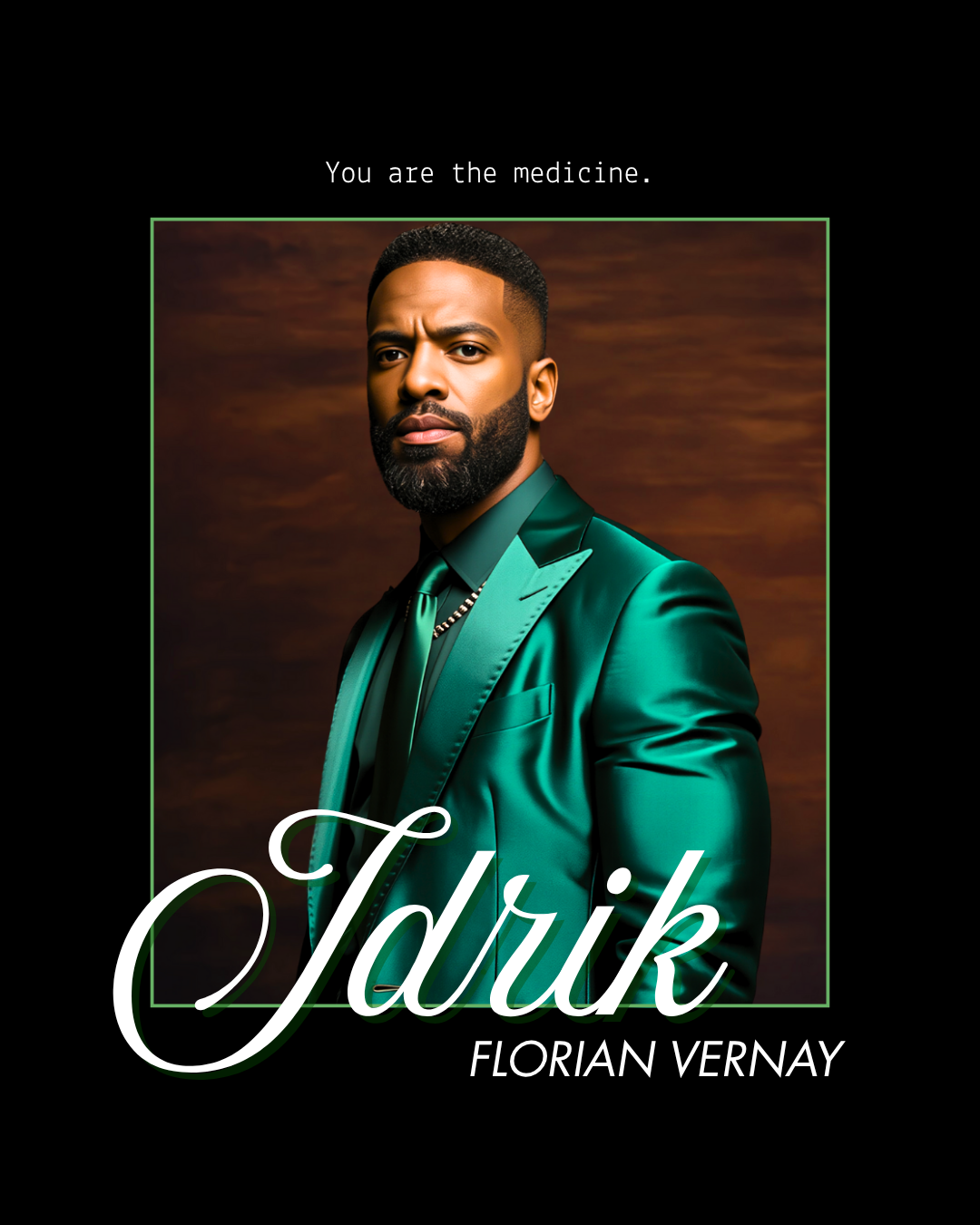
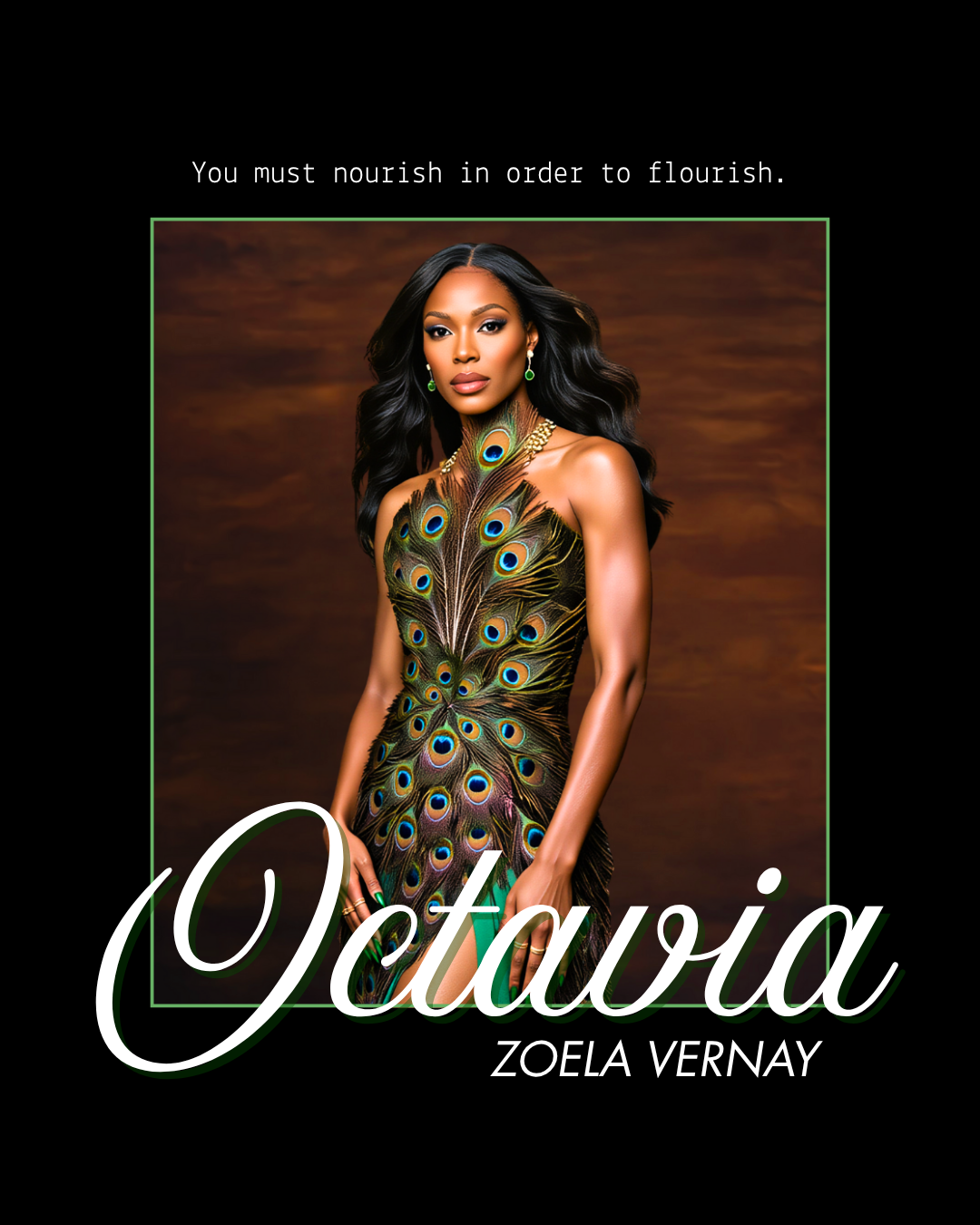
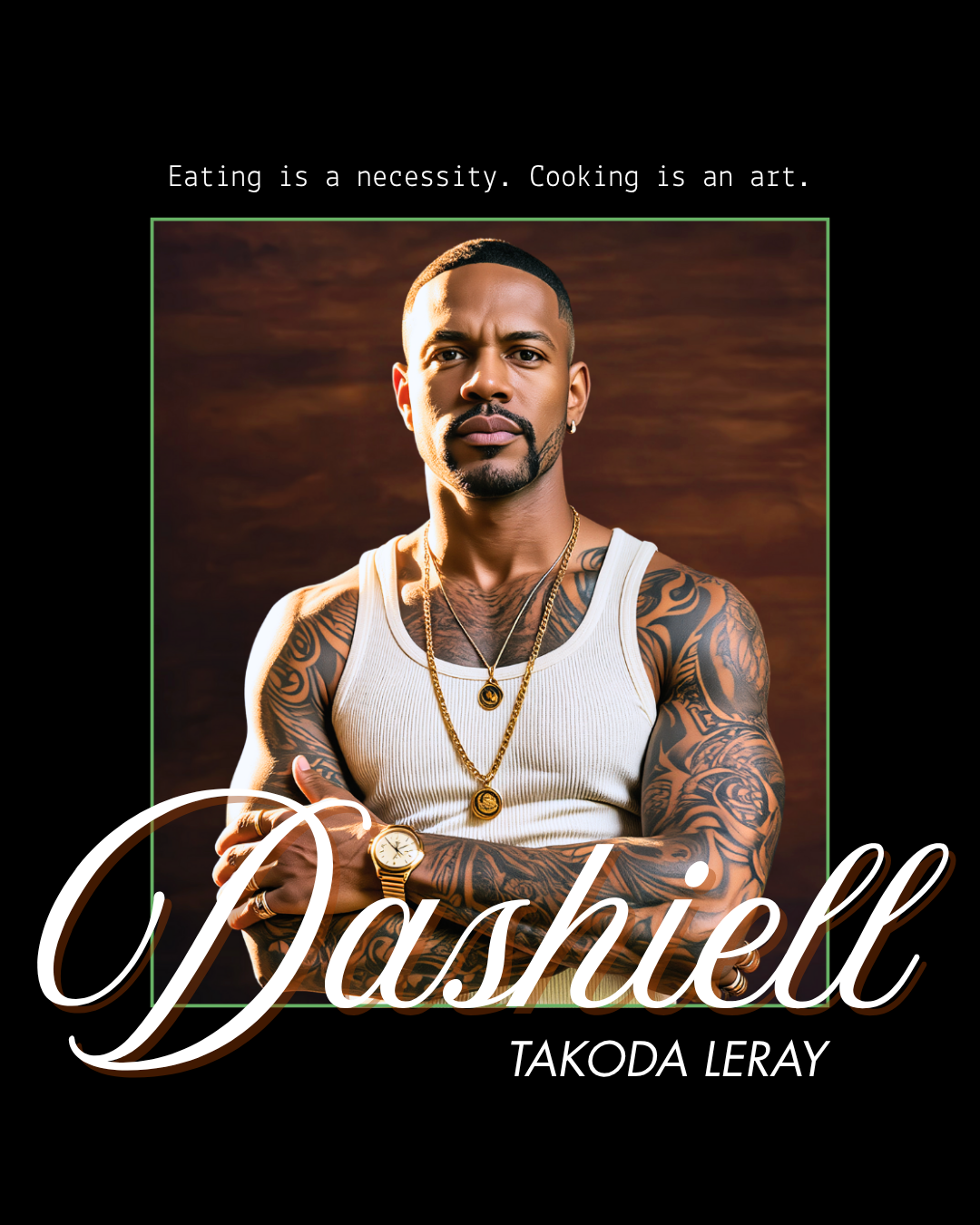
The Nurturer

What I tend, remembers how to live.
Last Update: 5/28/2026
The Basics
Gift Class: Nurturers
Founding Line: Vernay
Common Color: Green
Ancestral Function: Healing, restoration, nourishment, growth, grief-tending, land stewardship, and care as sacred power.
Core Expression: Tending what is wounded, hungry, growing, grieving, birthing, ending, or becoming through body, land, food, spirit, and community.
Rooted State: Care as wisdom, healing as reciprocity, nourishment without self-erasure, and growth that honors timing.
Ruptured State: Martyrdom, overgiving, control through caretaking, healing without consent, emotional exhaustion, and confusing being needed with being loved.
Gift Types: Greenhands, Bodymenders, Griefkeepers, Hearthbearers, Bloomcallers, and the rare Elderroots.
Cultural Role: Healing arts, midwifery, herbalism, food production, caretaking, grief work, elder care, farming, apothecaries, communal wellness, ritual kitchens, and restorative justice.
Reputation: Gentle but not weak, patient but not passive, deeply needed, quietly powerful, sometimes underestimated, and dangerous when their care is taken for granted.
Affinity Regions: Evermere, especially its gardens, clinics, kitchens, wetlands, farms, ancestral homes, and green sanctuaries.
A Quick Overview
The Seven Inheritances are the ancestral powers carried through Umberland’s bloodlines. Most citizens call them gifts. The Nurturer is one of those seven.
Nurturing is the gift of restoration, nourishment, and sacred care. Nurturers can sense what needs tending in bodies, homes, land, families, communities, and spirits. Their power is often mistaken for softness because it does not always announce itself with spectacle. But in Umberland, everyone knows better than to confuse care with weakness.
The Nurturer gift does not only heal wounds. It feeds what is hungry, steadies what is tired, blesses what is beginning, honors what is ending, and restores what has forgotten how to live.
The six primary Gift Types are Greenhands, who work with plants, soil, herbs, crops, and land-based healing; Bodymenders, who tend flesh, illness, injury, pain, birth, and physical recovery; Griefkeepers, who hold mourning, trauma, endings, and emotional release; Hearthbearers, who heal through food, shelter, kitchens, domestic ritual, and communal nourishment; Bloomcallers, who restore growth, fertility, creativity, renewal, and life-force; and the rare Elderroots, who can tend the full cycle of seed, body, grief, nourishment, bloom, and ancestral restoration.
In a Rooted State, Nurturers become sanctuaries with boundaries. They give care that restores without consuming them. In a Ruptured State, their gift can twist into martyrdom, emotional control, overgiving, dependency, or healing offered where it was never invited.
Core Expression
Nurturers move through the world care-first.
Where some gifts move through voice, body, emotion, sight, structure, or Spirit, the Nurturer gift moves through tending. Through warm hands. Through gardens. Through broth simmering low. Through a clean bed after devastation. Through herbs crushed between fingers. Through the quiet knowing that something is not dead simply because it has stopped blooming.
Their gift lives in the heart: the place of compassion, reciprocity, connection, grief, devotion, and living repair.
Nurturers can often sense depletion before it becomes collapse. They may know when a body needs rest, when a plant needs water, when a child needs touch, when a room needs clearing, when grief needs somewhere to go, or when a community has been surviving too long without being fed.
They do not always cure.
Sometimes they soothe. Sometimes they strengthen. Sometimes they witness. Sometimes they sit beside the wound until it stops believing it has been abandoned.
In Evermere, the Vernay-held city where Umberland exhales, this gift is treated as necessary infrastructure. Evermere feeds and heals the island, sustaining Umberland from soil to soul through growers, healers, midwives, herbalists, caretakers, grief-workers, and elders who understand care as a civic responsibility.
The Two States
Every gift carries two possibilities: rooted or ruptured. A rooted gift becomes medicine. A ruptured gift becomes appetite.
The rooted State
In a Rooted State, Nurturers understand that care must have roots and boundaries.
They know that healing cannot be forced. Growth cannot be rushed. Grief cannot be shamed into leaving. A body cannot be loved back into wellness by someone who refuses to rest. Rooted Nurturers do not confuse sacrifice with devotion. They understand that the hand that tends must also be tended.
Their care is steady, wise, and reciprocal.
A Rooted Nurturer can make a person feel safe enough to soften. They can create spaces where people eat, cry, confess, recover, laugh, sleep, and remember that they are still worthy even when they are not useful. Their gift often works best through patience: a poultice changed daily, a garden watered through drought, a meal delivered without asking for performance, a grief ritual repeated until the body believes release is possible.
They are not saviors. They are stewards.
A Rooted Nurturer remembers: I am not the source of all life. I am one vessel through which care can pass.
The ruptured State
In a Ruptured State, the Nurturer gift becomes a wound wearing an apron.
Care turns into control. Help becomes obligation. Healing becomes identity. A Ruptured Nurturer may give until they are empty and then resent others for drinking. They may make themselves indispensable because being needed feels safer than being loved freely.
Their rupture often begins with a belief that says: If I stop tending, everything will fall apart.
So they keep cooking. Keep healing. Keep holding. Keep saying yes while their spirit starts going quiet.
Some Ruptured Nurturers become martyrs. Others become manipulators in soft clothing. They may heal without consent, feed people who asked for space, offer care as a debt, or use tenderness to keep someone dependent.
Their danger is rarely loud.
It is the hand that keeps touching after someone says they are fine. The meal that comes with guilt folded into the napkin. The healer who needs the wound to stay open so they can keep being necessary.
The Nurturer lesson is sacred and sharp: Care is not love if it requires self-abandonment. Healing is not holy if it ignores consent.
Gift Types
The Nurturer gift is most commonly understood through six Gift Types: Greenhands, Bodymenders, Griefkeepers, Hearthbearers, Bloomcallers, and the rare Elderroots.
These are not ranks. A rare type is not automatically more sacred than a common one. Each type carries a distinct relationship to care, restoration, nourishment, growth, grief, body, land, and lineage.
A Greenhand can hear what the soil is asking for. A Bodymender can help flesh remember repair. A Griefkeeper can hold sorrow without letting it drown the room. A Hearthbearer can feed a spirit back into its body. A Bloomcaller can wake life where hope has gone quiet. An Elderroot can tend the whole cycle without losing sight of the root.
All of them are Nurturers.
Each type is sacred. Each type is dangerous. Each one requires patience, consent, reciprocity, and the discipline to know when not to interfere.
Because the Nurturer gift does not ask, “Can you heal this?” It asks, “Should you touch it yet?”
Greenhands
Primary Domain: Plants, soil, herbs, crops, gardens, land-based healing, plant communication, and agricultural restoration.
Elemental Quality: Growth.
Affinity Region: Evermere, especially Rootmere, Greenvale, Bramble Court, Elderrest, wetlands, apothecary gardens, and Umberland Farms.
Common Expressions: Herbal medicine, farming, gardening, crop blessing, soil restoration, plant-tending, apothecary work, seed rituals, land healing, and listening to what grows.
Rupture Risk: Overgrowth, possessive land-tending, poisonous remedies, invasive healing, refusing to let things die, and choking others in the name of protection.
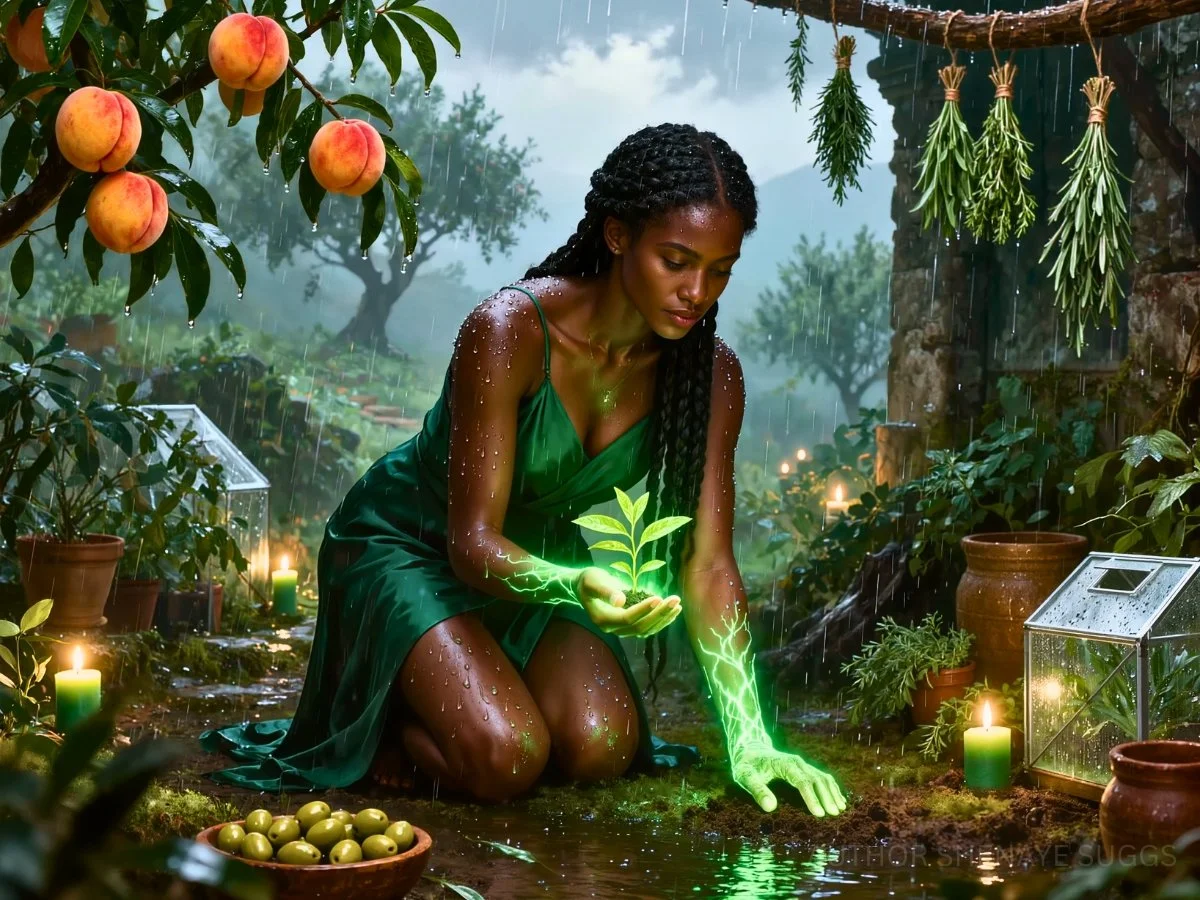
Greenhands are Nurturers whose gift speaks most clearly through the living green.
They work with herbs, roots, flowers, trees, fungi, crops, soil, vines, fruit, and wild growth. Some can sense what a plant needs by touching its leaves. Others can read soil by scent, revive a garden after drought, encourage medicinal plants to strengthen, or know which root belongs in which remedy before a book confirms it.
Greenhands are essential to Evermere’s role as one of Umberland’s great providers. With Umberland Farms eventually rooted in Vernay territory, Greenhands may become some of the island’s most important food stewards, crop healers, herbalists, and protectors of plant-based abundance.
In a Rooted State, Greenhands understand reciprocity. They do not take from the land without feeding it. They do not force growth out of season. They know that a garden is not obedient; it is in relationship.
In a Ruptured State, Greenhands may become controlling or invasive. They may overgrow what needed pruning, keep something alive past its sacred ending, or use poisonous remedies when fear convinces them that the cure must hurt.
Body Signs
Greenhands often feel their gift in the palms, fingertips, chest, soles of the feet, and under the nails.
Their hands may warm near healthy plants or ache near blighted ones. Their feet may tingle when soil is depleted. Some taste bitterness in the mouth when a plant is sick, or feel a soft humming beneath the ribs when a garden is thriving.
When grounded, their bodies feel slow, green, and rhythmic.
When overextended, they may feel drained by dying land, restless in sterile spaces, itchy under the skin, overly sensitive to rot, or physically heavy after tending too many living things at once.
Intimacy
In intimacy, Greenhands love through cultivation.
They notice what helps a lover thrive: sunlight, solitude, water, touch, silence, praise, rest, heat, room to sprawl. Their affection may arrive as herbs steeped for sleep, flowers chosen with meaning, food grown by hand, a plant placed near a window, or a garden made for someone who forgot they deserved beauty.
A Rooted Greenhand does not force bloom. Their intimacy says, “I will learn your season.”
In rupture, they may become smothering. They may try to “help” a lover grow into something they did not choose. They may prune too sharply, water too often, or resent the parts of someone that refuse to blossom on command.
Warning
The danger of a Greenhand is care that crowds.
Not everything alive needs more tending. Some things need space, winter, pruning, or release.
Their gift says: What grows can heal, if I let it grow true.
Bodymenders
Primary Domain: Physical healing, illness care, pain relief, injury repair, birth recovery, touch-based restoration, and bodily repair.
Elemental Quality: Mending.
Affinity Region: Evermere, especially Rootmere clinics, Greenvale care homes, Whispering Glen healing houses, Bramble Court recovery sanctuaries, and Elderrest ritual infirmaries.
Common Expressions: Wound-tending, midwifery, bodywork, illness care, recovery rituals, pain relief, physical restoration, postpartum care, and healing through touch or proximity.
Rupture Risk: Healing without consent, absorbing pain, saviorhood, medical control, dependence, and taking ownership over another person’s body.
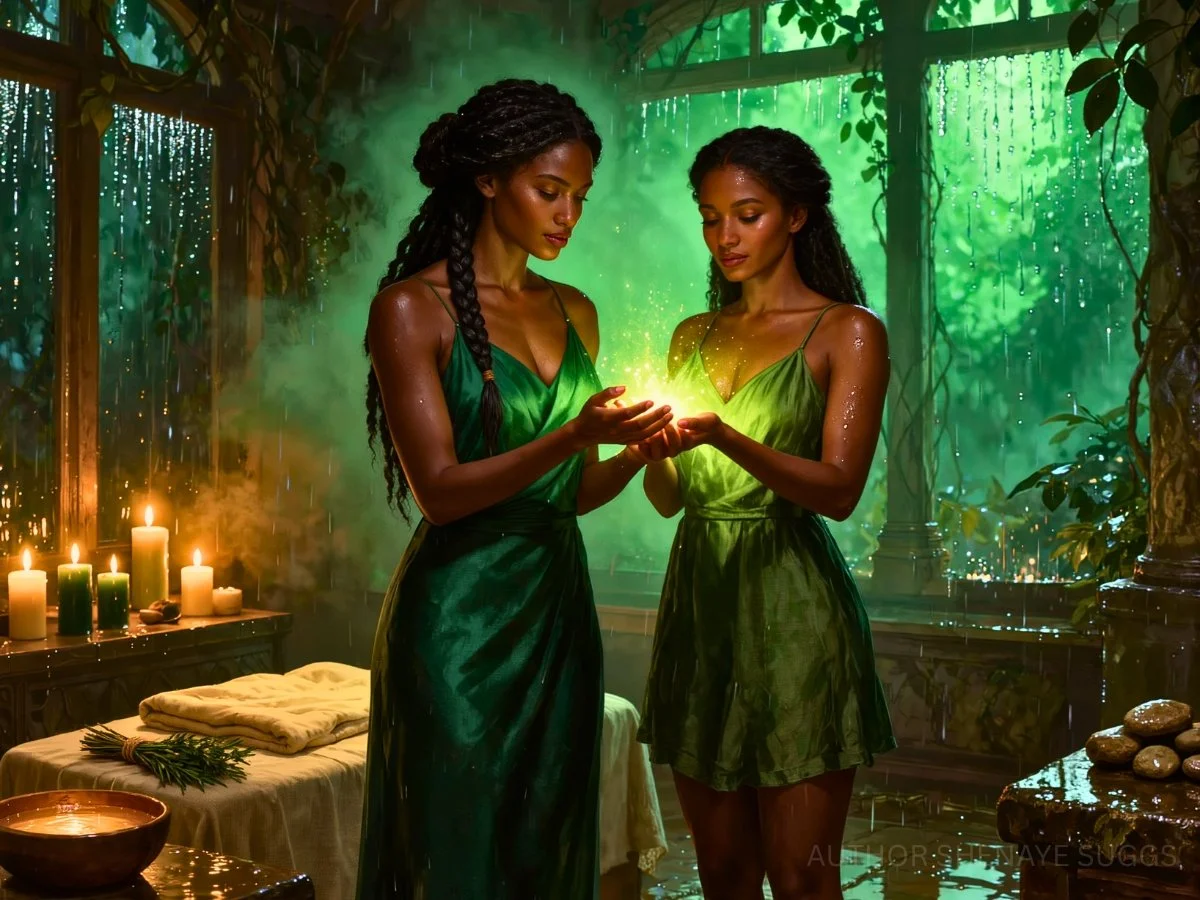
Bodymenders are Nurturers whose gift moves through flesh.
They tend wounds, illness, fatigue, pain, birth, recovery, inflammation, weakness, and the body’s slow work of repair. Some heal through touch. Some through breath, herbs, pressure, heat, prayer, water, or presence. Others can sense where pain lives before the person carrying it has language for it.
They are often midwives, nurses, healers, bodyworkers, recovery specialists, caretakers, surgeons of ritual medicine, and the ones called when the body has endured too much and needs help remembering it is not only a site of suffering.
In a Rooted State, Bodymenders honor consent. They know the body belongs to the one living inside it. They assist the body’s wisdom rather than overriding it.
In a Ruptured State, Bodymenders can become invasive. They may touch where they were not invited, push healing too quickly, absorb pain until they collapse, or make others dependent on their care.
Body Signs
Bodymenders often feel their gift in the hands, wrists, chest, belly, mouth, and nervous system.
Their palms may heat near injury. Their wrists may throb near chronic pain. Their stomach may twist when a body is fighting infection. Some feel phantom aches that point them toward another person’s wound.
When grounded, their touch feels clean, warm, and steady.
When overextended, they may experience fatigue, body aches that are not their own, nausea, headaches, sleepiness, trembling hands, or the urge to heal before asking permission.
Intimacy
In intimacy, Bodymenders are tenderly attentive.
They notice tension in the jaw, guarded shoulders, old pain held in the hips, breath that never drops fully into the belly. A Rooted Bodymender can make a lover feel safe inside their own skin. Their touch is not only sensual; it is listening. Their intimacy says, “Your body is not a problem to solve. It is a home to return to.”
In rupture, though, they may treat a lover like a patient. They may become too focused on fixing, soothing, correcting, or easing pain, forgetting that intimacy also requires desire, play, choice, and mutuality.
Warning
The danger of a Bodymender is believing ability equals permission.
Just because they can feel the wound does not mean they have been invited to touch it.
Their gift says: The body remembers how to return.
Greifkeepers
Primary Domain: Mourning, endings, trauma, emotional release, death rites, grief rituals, and spiritual holding through loss.
Elemental Quality: Mourning.
Affinity Region: Evermere, especially Whispering Glen, Elderrest, old grave paths, memorial gardens, rain-soft courtyards, and quiet rooms where the veil feels kind.
Common Expressions: Grief work, mourning rites, funeral tending, trauma holding, transition ceremonies, ancestral remembrance, emotional release, and helping sorrow move without swallowing the living.
Rupture Risk: Grief-hoarding, emotional enmeshment, savior grief, mourning as identity, refusing joy, and becoming attached to other people’s sorrow.

Griefkeepers are Nurturers called to what hurts after the breaking.
They do not erase grief. They do not rush mourning. They do not tell the grieving to be grateful, strong, healed, or finished. Their gift is sacred because it understands that loss needs somewhere to sit before it can move.
Griefkeepers are often called to funerals, endings, miscarriages, breakups, betrayals, deathbeds, community tragedies, ancestral memorials, and quiet rooms where someone finally stops performing survival. They can make grief feel less lonely without making it smaller.
In a Rooted State, Griefkeepers hold sorrow without owning it. They help people mourn honestly and return slowly to breath, food, sleep, laughter, and life.
In a Ruptured State, Griefkeepers can become attached to pain. They may collect sorrow, make themselves necessary to the grieving, or begin to believe that joy is a betrayal of what was lost.
Body Signs
Griefkeepers often feel their gift in the lungs, throat, sternum, eyes, shoulders, and hands.
Their chest may tighten near unshed tears. Their throat may ache when grief has been silenced. Their eyes may water without sadness when a room is carrying old loss. Some feel heaviness across the shoulders, as if mourning has weight and is asking to be set down.
When grounded, their body becomes spacious enough for sorrow to move.
When overextended, they may feel chest pressure, exhaustion, emotional heaviness, sleep disruption, tearfulness, or a desire to isolate beneath the weight of what they have held.
Intimacy
In intimacy, Griefkeepers love with reverent patience.
They do not flinch from a lover’s sorrow. They can sit beside the old ache, the ugly cry, the anniversary wound, the fear that happiness will not last. A Rooted Griefkeeper makes intimacy feel like permission to stop pretending.
Their love says, “You do not have to make your grief pretty to be held.”
In rupture, they may confuse sorrow with closeness. They may feel most secure when a lover is wounded and in need of care. They may struggle when joy returns because joy makes them feel less necessary.
Warning
The danger of a Griefkeeper is becoming loyal to sorrow.
Grief is sacred, but it is not a throne.
Their gift says: Nothing lost leaves unheld.
Hearthbearers
Primary Domain: Food, kitchens, shelter, domestic ritual, nourishment, communal feeding, family care, and home-based restoration.
Elemental Quality: Warmth.
Affinity Region: Evermere, especially Greenvale, Rootmere, family kitchens, community tables, sacred grocers, farms, cafés, and homes where the stove is always working.
Common Expressions: Cooking, feeding rituals, kitchen magic, homemaking, sheltering, hospitality, food preservation, communal meals, restorative domestic care, and feeding the body back into spirit.
Rupture Risk: Guilt-feeding, obligation through care, domestic control, overfeeding, emotional debt, and making people earn nourishment.
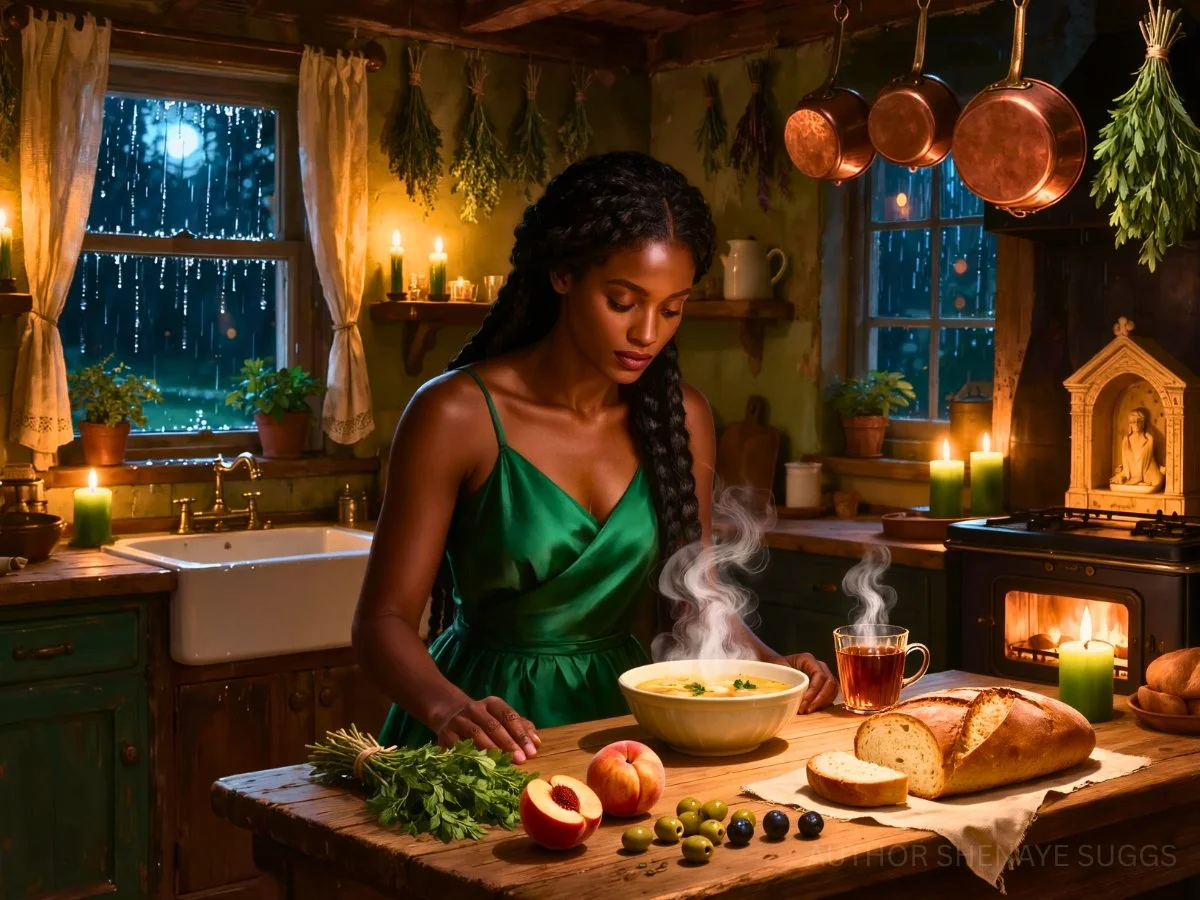
Hearthbearers are Nurturers whose gift gathers around food, home, heat, and shelter.
They heal through meals, kitchens, clean sheets, stocked pantries, warm rooms, fragrant broth, open doors, and the kind of hospitality that makes a person remember they are not a burden. A Hearthbearer can make nourishment feel spiritual without making it performative.
They are the backbone of family tables, community kitchens, food networks, care circles, shelter houses, cafés, sacred grocers, and Umberland’s quiet systems of survival. In Evermere, where kitchens, gardens, altars, and quiet conversations hum through homes, Hearthbearers are deeply respected.
In a Rooted State, Hearthbearers feed without binding. They understand that nourishment is not a leash.
In a Ruptured State, they may use care as currency. They may make people feel guilty for needing, ashamed for refusing, or indebted for being fed.
Body Signs
Hearthbearers often feel their gift in the belly, hands, chest, nose, and mouth.
They may smell what someone needs before they know it: broth for depletion, citrus for grief, spice for stagnation, bread for grounding, tea for fear. Their hands may warm while cooking. Their chest may loosen when a table is properly blessed.
When grounded, they feel full in spirit, even before eating.
When overextended, they may feel stomach tension, emotional hunger, resentment, exhaustion, or the compulsion to feed everyone while ignoring their own needs.
Intimacy
In intimacy, Hearthbearers love through making room.
Their care is sensory: the plate fixed just right, the towel warmed, the tea steeped, the music low, the porch light left on. A Rooted Hearthbearer can make a lover feel welcomed back into their own life.
Their intimacy says, “Come eat before you fall apart.”
In rupture, though, they may make home feel conditional. They may use domestic care to create dependency, guilt, or obligation. They may confuse being the place someone returns to with having the right to decide whether they can leave.
Warning
The danger of a Hearthbearer is nourishment with strings.
A meal is not medicine if it is served with debt.
Their gift says: Come eat before you fall apart.
Bloomcallers
Primary Domain: Renewal, fertility, creativity, life-force, seasonal awakening, restoration of desire, growth after dormancy, and second chances.
Elemental Quality: Bloom.
Affinity Region: Evermere, especially Bramble Court, Greenvale, Maranta-like gardens, flowering terraces, creative sanctuaries, ceremonial orchards, and seasonal gathering grounds.
Common Expressions: Fertility rites, creative renewal, life-force restoration, relationship repair, seasonal ceremonies, desire healing, community revitalization, and calling dormant things back into growth.
Rupture Risk: Forced renewal, toxic positivity, fertility pressure, rushing recovery, refusing necessary endings, and demanding bloom before the roots are ready.
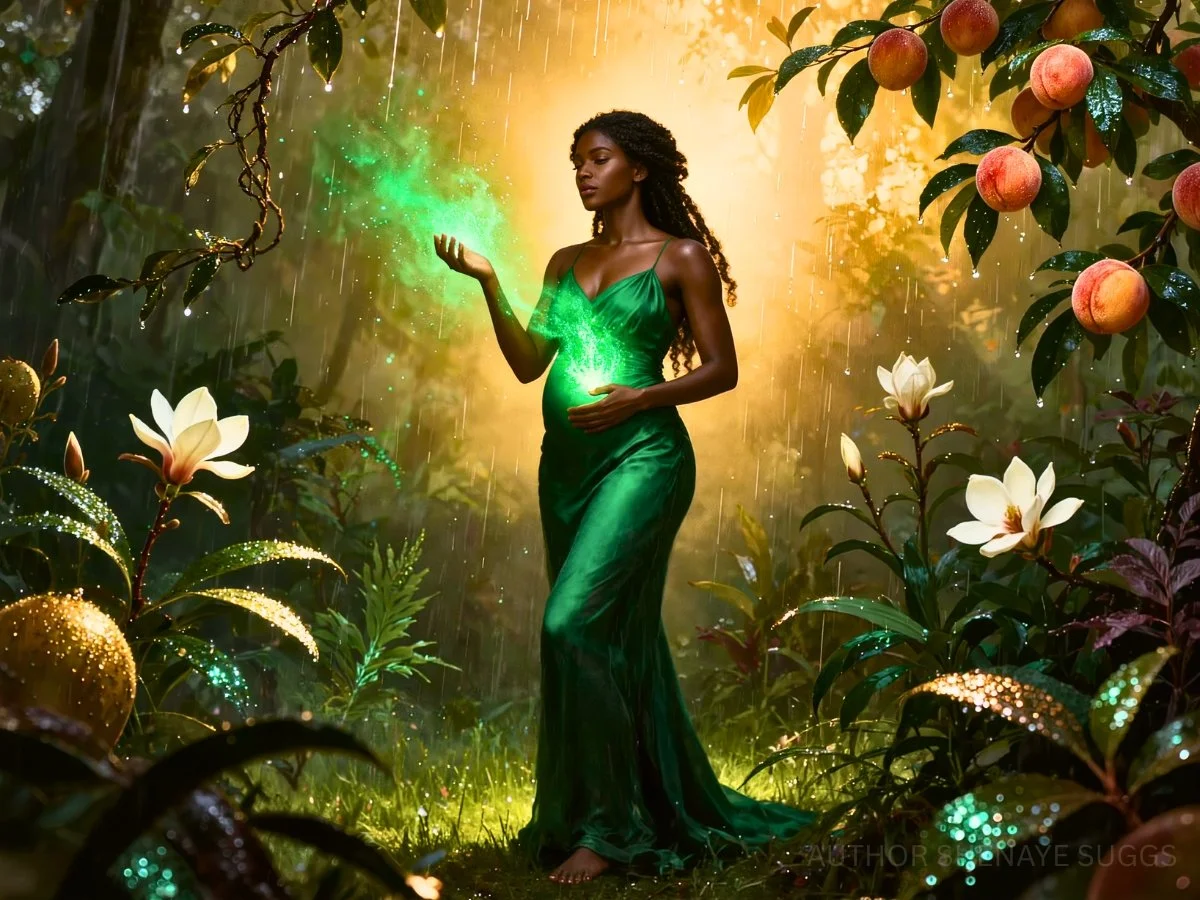
Bloomcallers are Nurturers who specialize in renewal.
They are called when something is not dead, but dormant. A body after illness. A dream after failure. A relationship after betrayal. A community after grief. A field after drought. A person who has forgotten desire, pleasure, creativity, or hope.
Bloomcallers do not simply make flowers grow. They call life-force back into motion.
In a Rooted State, Bloomcallers honor timing. They understand that bloom is not proof of worth; it is one season of a larger cycle.
In a Ruptured State, they may force renewal too soon. They may pressure people to “move on,” demand hope before grief has spoken, or treat fertility, creativity, and recovery like obligations.
Body Signs
Bloomcallers often feel their gift in the chest, womb-space or lower belly, hands, hips, throat, and skin.
They may feel warmth spreading through the body when life-force stirs. Their skin may prickle near dormant energy. Their throat may open when someone’s desire or creativity wants to return. Some feel an ache like spring pressure beneath the ribs, a sense of something pushing toward light.
When grounded, their body feels vibrant but patient.
When overextended, they may feel restless, overstimulated, emotionally urgent, or frustrated by slow healing.
Intimacy
In intimacy, Bloomcallers awaken what has gone quiet.
They may help a lover reconnect to desire, creativity, laughter, sensuality, confidence, fertility, or the simple pleasure of being alive. A Rooted Bloomcaller does not demand radiance. They invite it.
Their intimacy says, “There is still life here.”
In rupture, they may become impatient with pain or stillness. They may push joy too hard, eroticize healing, or make a lover feel like they must become “better” to remain lovable.
Warning
The danger of a Bloomcaller is bloom without consent.
Not everything that can open is ready to open.
Their gift says: There is still life here.
Elderroots
Primary Domain: Full-cycle restoration, ancestral healing, land-body-spirit integration, legacy wounds, generational care, and sacred ecosystem repair.
Elemental Quality: The whole root system.
Affinity Region: Evermere as a whole, especially Elderrest, Bramble Court, Whispering Glen, old farms, ancestral groves, wetlands, family cemeteries, and sacred Vernay grounds.
Common Expressions: Ancestral healing, full-cycle tending, land restoration, body and grief work, elder care, birth-death rites, communal repair, family line healing, and restoring ecosystems of care.
Rupture Risk: Carrying too much, ancestral martyrdom, generational control, healing as authority, becoming the only root others depend on, and refusing to let the next generation tend differently.

Elderroots are rare Nurturers who can tend the full cycle.
They may work across the domains of Greenhands, Bodymenders, Griefkeepers, Hearthbearers, and Bloomcallers, though not always with equal strength. Their gift is not simply that they can do many things. Their gift is that they understand how those things connect.
An Elderroot can look at a sick body and ask what grief fed the illness, what food failed the body, what land shaped the family, what ancestor was never mourned, what dream stopped blooming, and what kind of care must be restored so the wound does not keep returning.
In a Rooted State, Elderroots become some of Umberland’s most powerful restorative presences. They are called when harm is layered, old, communal, or generational. They do not just patch wounds. They rebuild the conditions for life.
In a Ruptured State, Elderroots can become overwhelmed by the scale of their own calling. They may carry too much, control too much, or believe that because they can see the whole root system, they alone should decide how healing happens.
Body Signs
Elderroots feel the gift as a full-body knowing.
Palms. Chest. Belly. Spine. Feet. Breath. Skin. Sometimes even dreams.
They may feel land, lineage, body, grief, hunger, and bloom speaking at once. A family home may make their feet ache. A grieving child may tighten their throat. A dying tree may press on their chest. A birth room may warm their hands and belly.
A Rooted Elderroot learns to sort the signals without answering all of them at once.
When overextended, they may experience exhaustion, migraines, body aches, vivid dreams, emotional heaviness, digestive distress, ancestral overwhelm, or the deep temptation to disappear into solitude because the world needs too much.
Intimacy
In intimacy, Elderroots love with depth that can feel ancient.
They often see the whole person: the body, the family, the wound, the hunger, the grief, the dream, the root. A Rooted Elderroot can make intimacy feel like being known across lifetimes without being trapped by the past.
Their love says, “I see where it began, and I will not use it against you.”
In rupture, though, they may overread. They may bring ancestors into arguments, turn every conflict into generational analysis, or make a lover feel like there is no private corner of them left untouched. Their care can become too vast, too knowing, too heavy.
Warning
The danger of an Elderroot is believing the whole garden belongs to them.
Seeing the root does not mean owning the growth.
Their gift says: I tend the root, the wound, and what comes after.
Cultural Role
Nurturers are essential to Umberland’s survival because their work touches everything people need but often take for granted: food, healing, rest, grief, birth, recovery, elder care, community wellness, and the land itself.
They are healers, midwives, herbalists, farmers, cooks, caretakers, grief-workers, apothecaries, growers, doulas, bodyworkers, food stewards, ritual attendants, elder companions, restorative justice facilitators, and keepers of homes where people come to fall apart safely.
With Evermere feeding and healing much of the island, the Nurturer gift carries practical and spiritual weight. Umberland Farms also makes its home in Evermere since the region and its citizens do not separate food from care or agriculture from healing. Plant and animal life, soil, kitchens, clinics, gardens, and community tables all become part of the same sacred system.
In their best form, Nurturers remind Umberland that no city, family, gift, or bloodline survives without tending.
In their worst form, they remind Umberland that care can become control when the caregiver refuses to be cared for.
Their Reputation
Nurturers are often beloved before they are feared, which is exactly why people underestimate them.
They are known for being gentle, patient, wise, warm, restorative, deeply intuitive, and almost impossible to replace once you have relied on them. People come to them when the body fails, when grief opens, when the baby comes early, when the pantry is empty, when the garden dies, when the elder stops eating, when the community needs repair, or when nobody else knows what to do with the pain.
But Nurturers are not harmless. A Rooted Nurturer can restore life. A Ruptured Nurturer can make need into a cage.
Their reputation carries a soft warning: do not take their care for granted. The same hands that feed can withhold. The same garden that heals can poison. The same healer who knows where the wound lives also knows what happens if it is ignored.
People say Nurturer care feels like rain. Soft when it comes. Devastating when it stops.
Affinity Region
Nurturers can live anywhere in Umberland as long as they tend their gift, but they are naturally drawn to places where land, body, food, grief, spirit, and community are allowed to move slowly and be cared for with reverence. Their strongest affinity region is Evermere, the Vernay-held city on Umberland’s eastern coast.
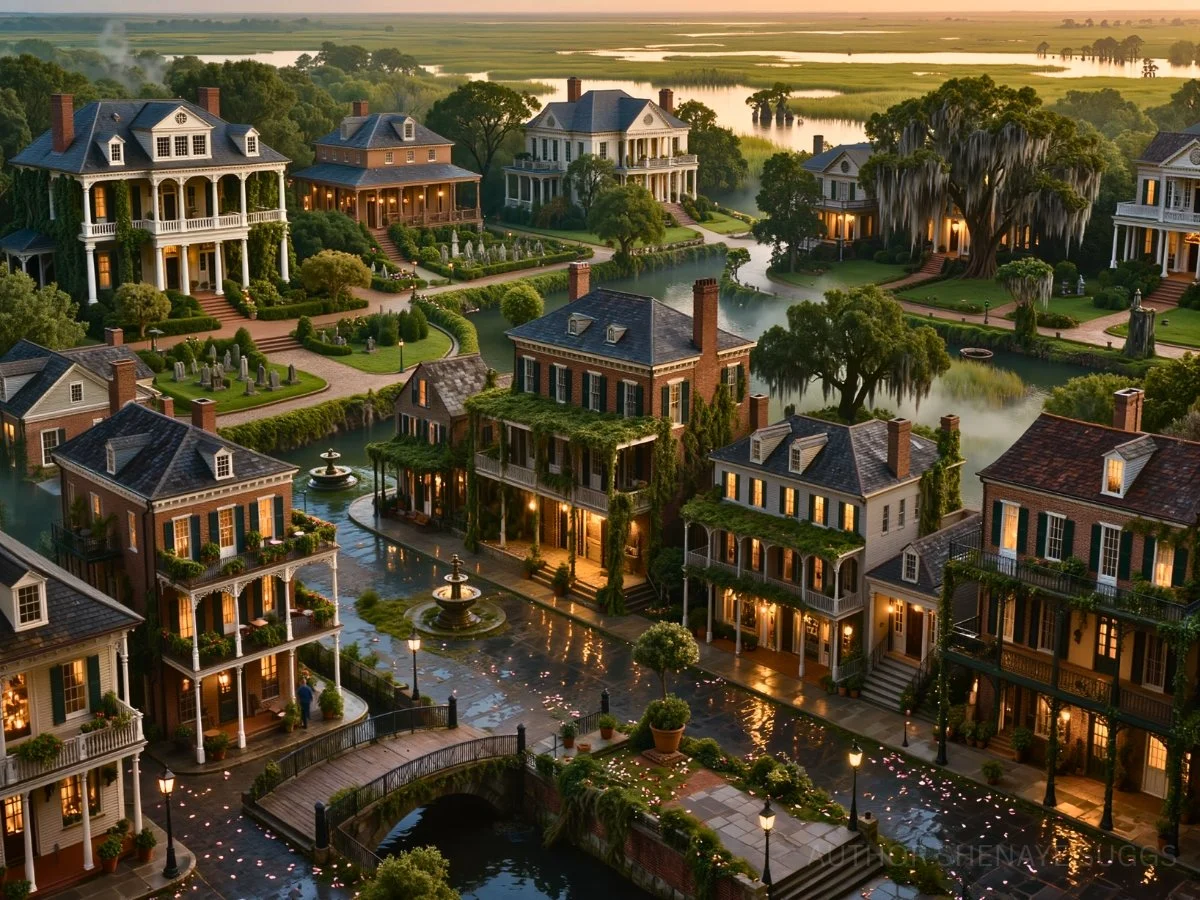
Evermere, Umberland
Evermere
Evermere, known as The Mere, is where Umberland exhales. It is lush, humid, green, and deeply alive, built around the belief that what breaks should be tended, not judged. The city’s atmosphere is heavy with petrichor, magnolia, moss, honeysuckle, kitchens, gardens, altars, quiet conversations, and rain that feels intentional. Nature is not background there. It is family.
For a Rooted Nurturer, Evermere offers rhythm.
It teaches them to slow down, listen to the land, honor the body, and understand that care is not only something given in crisis. Care is daily. Seasonal. Repeated. Cooked. Watered. Swept. Buried. Born. Remembered.
Rootmere in Evermere
Rootmere, downtown Evermere, is the old heart of the land: apothecaries, ancestral clinics, sacred grocers, rain gardens, fountains, vine-softened brick and stucco, and public squares where every bench feels like it has a story. Greenhands, Bodymenders, Hearthbearers, and Elderroots often feel strong resonance here.
Greenvale in Evermere
Greenvale, lower Evermere, is intimate and communal: raised porches, hand-tended gardens, clay pots, moss-kissed steps, kitchens full of steam, neighbors bringing food, and healing that happens quietly. Hearthbearers, Greenhands, Bodymenders, and emerging Nurturers may feel especially at home here.
Whispering Glen in Evermere
Whispering Glen, mid Evermere, is reverent and mist-soft, with wide porches, ivy columns, hydrangeas, sunrooms, old trees, herbal courtyards, and a protective hush. Griefkeepers, Elderroots, Bodymenders, and Nurturers who work with memory and spiritual recovery are often drawn here.
Bramble Court in Evermere
Bramble Court, upper Evermere, carries legacy through gardens, herbs, moonlit gatherings, carved verandas, old cedar, honeysuckle, moss, private rituals, and matriarchal wisdom. Bloomcallers, Greenhands, Elderroots, and legacy healers may find the land especially responsive in this district.
Elderrest in Evermere
Elderrest, the Evermere echelon, is the oldest and most sacred part of the region: grand Georgian homes, stone steps, fountains, ancient oaks, deep shade, Spanish moss, ritual grounds, and trees that seem to decide who may enter. Elderroots, Griefkeepers, ancestral midwives, and high-level restorative workers are often most deeply called here.
When Rooted Or Ruptured
A Rooted Nurturer may use Evermere as sanctuary and teacher. The city reminds them that tending is sacred, but so is rest. That growth must be listened to. That grief deserves a chair at the table. That food is medicine. That land remembers who fed it.
A Ruptured Nurturer may use Evermere as a hiding place.
The same softness that heals can enable over-giving. The same kitchens that feed can become sites of guilt. The same gardens that restore can become places where necessary endings are delayed. The same community that values care can accidentally praise martyrdom until the caregiver forgets they are allowed to need.
Evermere does not create Nurturer rupture. It reveals whether the care has roots.
Not care as performance. Care as practice. Care as boundary. Care as nourishment. Care as the green thing that keeps choosing life without begging to be seen.