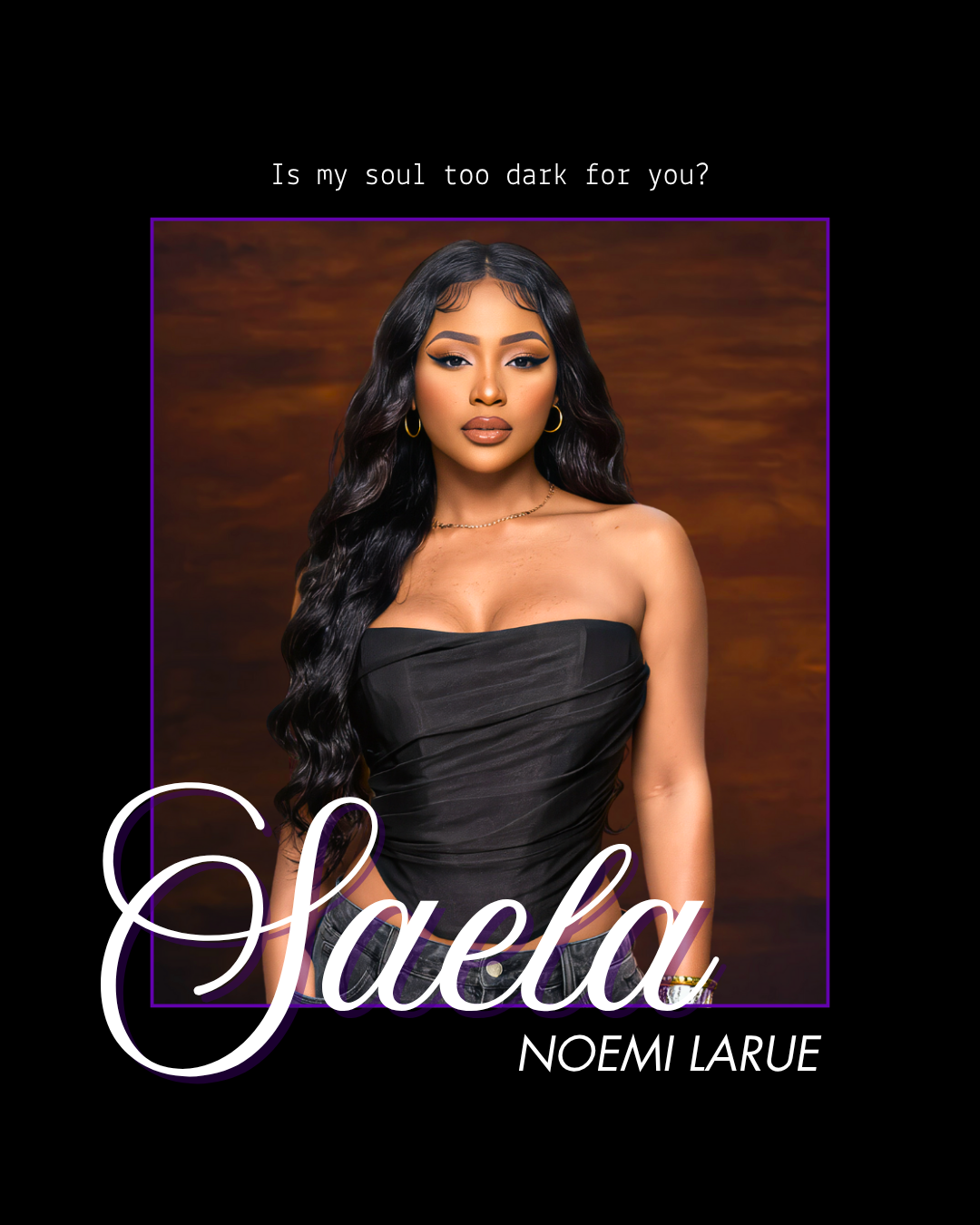
The Orator

My words do not rule. They remember.
Last Update: 5/28/2026
The Basics
Gift Class: Orators
Founding Line: Fontenot
Common Color: Yellow
Ancestral Function: Willpower, declaration, influence, conviction, leadership, and voice as catalytic fire.
Core Expression: Speaking intention into motion, using voice, silence, cadence, and command to ignite action, reveal truth, bind meaning, or shift collective will.
Rooted State: Voice as bridge, leadership as service, truth as liberation, and fire that warms the village instead of burning it down.
Ruptured State: Command as control, truth as weapon, charisma as domination, silence as punishment, and speech as a means of obedience.
Gift Types: Flamecallers, Oathspeakers, Truthbearers, Commanders, Silvertongues, and Stillvoices.
Cultural Role: Governance, diplomacy, law, public defense, civic strategy, movement leadership, spiritual debate, public speaking academies, banking, finance, and ceremonial declaration.
Reputation: Regal, articulate, intimidating, persuasive, principled, politically dangerous, and never casual with words.
Affinity Regions: Brightmoor, especially its civic halls, archives, court districts, river estates, salons, and gold-lit spaces where language becomes law.
A Quick Overview
The Seven Inheritances are the ancestral powers carried through Umberland’s bloodlines. Most citizens call them gifts. The Orator is one of those seven.
Oration is the gift of divine articulation. Orators can use voice, silence, cadence, presence, and declaration to influence emotion, sharpen will, expose truth, bind promises, command attention, and move people toward action. Their power is not simply public speaking. It is language as force. Language as spell. Language as legacy.
Their six primary Gift Types are Flamecallers, who ignite conviction and action; Oathspeakers, who bind promises and testimony; Truthbearers, who unearth what has been hidden; Commanders, who organize energy and direct movement; Silvertongues, who persuade, negotiate, and disarm; and Stillvoices, who wield silence, restraint, timing, and withheld speech.
Though often associated with leadership and prestige, the Orator gift carries serious spiritual risk. In a Rooted State, Orators use their voice to clarify, protect, guide, and liberate. In a Ruptured State, they use language to dominate, manipulate, silence, shame, or rewrite reality around their own hunger.
Core Expression
Orators move through the world word-first.
Where some gifts move through emotion, body, sight, structure, care, or Spirit, the Orator gift moves through declaration. Through tone. Through breath. Through the pause before a sentence lands. Through the heat in the chest when truth rises and refuses to sit back down.
Orators do not merely speak to be heard. At their strongest, they speak to ignite. Their voice can gather attention, awaken courage, steady a room, expose a lie, bind a promise, or move a crowd from hesitation into action. Some Orators work through thunderous speeches. Others through quiet counsel, legal argument, prayer, debate, performance, testimony, or silence so precise it makes everyone else confess too much.
Their gift lives in the solar plexus: the seat of will, confidence, fire, dignity, and personal power. A skilled Orator knows that words do not begin in the mouth. They begin lower. In the belly. In the breath. In the place where fear either kneels or takes the throne.
In Brightmoor, the Fontenot-held city where river, record, and rhetoric converge, this gift is treated as sacred discipline. The city’s unspoken rule is simple: Speak with purpose or don’t speak at all. Words are spells there, and wasted speech leaves a mark.
The Two States
Every gift carries two possibilities: rooted or ruptured. A rooted gift becomes medicine. A ruptured gift becomes appetite.
The rooted State
In a Rooted State, Orators speak from service, not ego.
They understand that voice is not merely a tool of influence; it is a responsibility. Their words can warm, awaken, organize, defend, teach, confess, reconcile, and call people back to themselves. Rooted Orators know how to lead without swallowing the room whole. They know how to speak with fire without burning everyone listening.
A Rooted Orator can bring clarity to chaos. They can name what others are afraid to say. They can help a person stand taller simply by speaking to the part of them that forgot it had a spine.
Their speech does not demand obedience.
It invites alignment.
They use their gift to make truth livable, not just loud. They understand that the strongest voice in the room is not always the one that speaks most. Sometimes power is the sentence that ends the argument. Sometimes it is the silence that lets someone else finally be heard.
A Rooted Orator remembers: My words are not mine alone. They carry everyone who taught me how to speak.
The ruptured State
In a Ruptured State, the Orator gift becomes a throne.
Command turns into control. Truth becomes weaponized. Charisma becomes a veil over hunger. A Ruptured Orator may speak not to guide, but to be obeyed. They may silence others to make their own voice feel larger. They may use confidence as armor, rhetoric as smoke, and public virtue as a mask for private domination.
Some become demagogues. Some become cowards hiding behind charm. Some become so afraid of being ignored that they start mistaking volume for power. Others become experts at saying the right thing while meaning something else entirely.
Their wound often says: No one listened when it mattered.
So they make people listen now.
Not through truth. Through force. Through performance. Through fear dressed up as clarity.
A Ruptured Orator does not always sound cruel. That is what makes them dangerous. Sometimes they sound polished. Reasonable. Necessary. They can make domination sound like order, manipulation sound like strategy, and silence sound like respect.
The danger of a Ruptured Orator is not that they lack words. It is that they have too many, and all of them know how to wear gold.
Gift Types
The Orator gift is most commonly understood through six Gift Types: Flamecallers, Oathspeakers, Truthbearers, Commanders, Silvertongues, and Stillvoices.
These are not ranks. One type is not more powerful simply because it is louder, more public, or more feared. Each type carries a distinct relationship to voice, will, truth, silence, authority, and collective movement.
A Flamecaller can wake courage in a weary room. An Oathspeaker can make a promise heavy enough to hold. A Truthbearer can give buried things a mouth. A Commander can turn chaos into movement. A Silvertongue can open a locked mind without breaking the door. A Stillvoice can make silence speak louder than any speech.
All of them are Orators.
Each type is sacred. Each type is dangerous. Each one requires discipline, restraint, purpose, and deep accountability.
Because the Orator gift does not ask, “Can you speak?” It asks, “Should you?”
Flamecallers
Primary Domain: Conviction, courage, action, uprising, motivation, righteous anger, and collective ignition.
Elemental Quality: Fire.
Affinity Region: Brightmoor’s courthouse steps, public squares, rally halls, ceremonial fire rites, debate chambers, movement spaces, and Vantier Row.
Common Expressions: Speeches, chants, sermons, protest calls, battle cries, affirmations, public motivation, courage work, and igniting dormant will.
Rupture Risk: Incitement, recklessness, mob frenzy, ego-driven leadership, performative passion, and burning down what needed rebuilding.
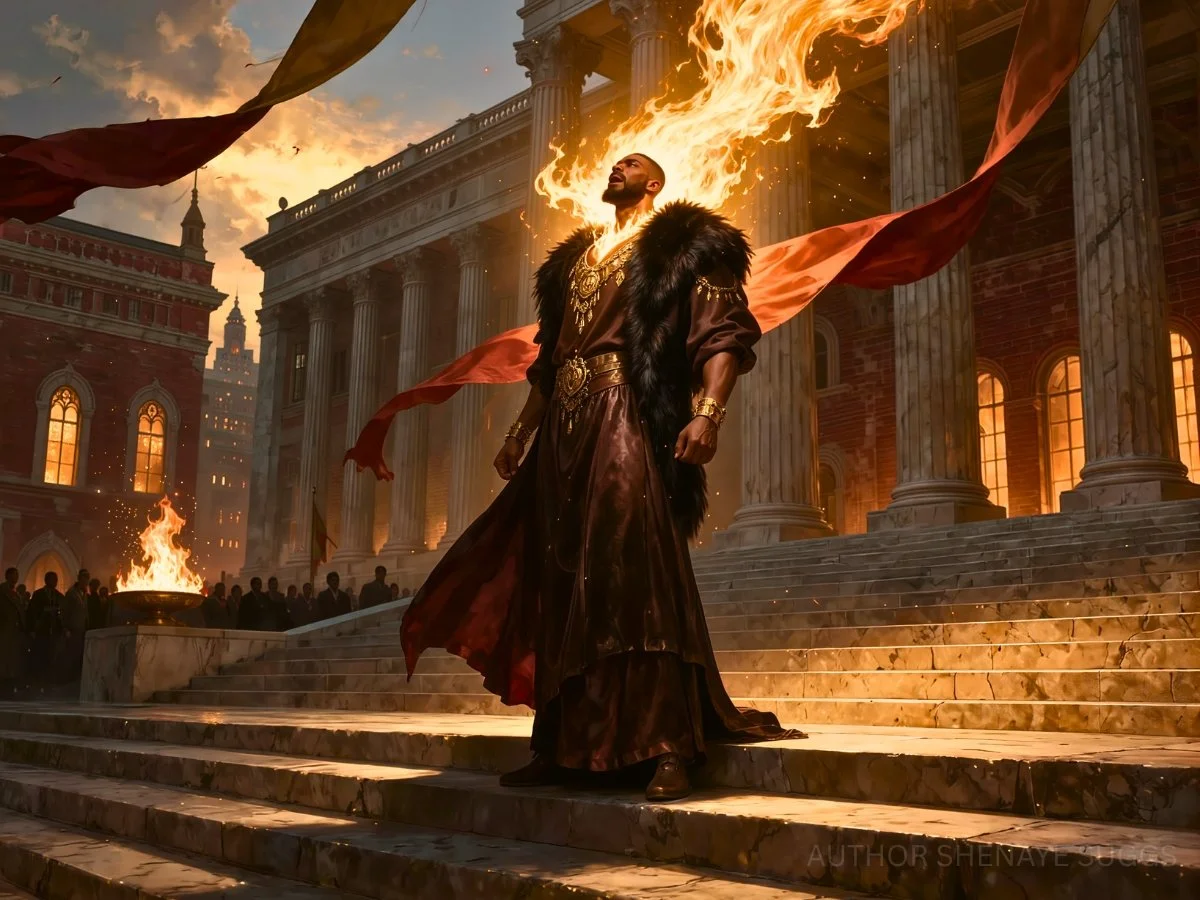
Flamecallers are Orators who ignite.
They speak courage into rooms, movements into motion, and conviction into people who thought they were too tired to stand. Their gift is catalytic. A Flamecaller can make the fearful brave, the stagnant restless, the ashamed upright, and the undecided suddenly aware of what their spirit has already chosen.
Their voice often carries heat. Not always volume, but heat. Even when soft, their words can feel like a match struck in the dark.
In a Rooted State, Flamecallers inspire purposeful action. They do not stir people just to watch them move. They speak toward change, protection, courage, repair, and necessary resistance. Their fire warms the village and lights the path.
In a Ruptured State, Flamecallers become reckless with heat. They may whip a crowd into fury, confuse rage with justice, or burn bridges simply because flame makes them feel powerful. They can make destruction feel holy if no one checks them.
Body Signs
Flamecallers often feel their gift as heat in the solar plexus, chest, throat, and tongue.
Their breath may warm before a speech. Their palms may sweat. Their spine may straighten without thought. Their voice may deepen, brighten, or sharpen when the gift rises. Some feel sparks under the skin or a pulse behind the sternum when a room is ready to be moved.
When grounded, their body feels lit from within: strong, upright, awake.
When overextended or Ruptured, they may feel feverish, restless, irritable, hoarse, overstimulated, or unable to come down after speaking. Their anger may move faster than their discernment.
Intimacy
In intimacy, Flamecallers awaken.
They speak life into a lover’s hidden places. They notice where someone has gone quiet around their own power and call them back, not with gentleness alone, but with heat. A Rooted Flamecaller can make love feel like courage returning to the body.
Their praise can be devastating. Their conviction can make a lover feel chosen, wanted, and capable. They may say the one sentence that makes someone finally believe they deserve more.
In rupture, though, Flamecallers can overwhelm. They may push a lover before they are ready, mistake intensity for intimacy, or turn every vulnerable moment into a sermon. They may make passion feel like pressure.
Warning
The danger of a Flamecaller is uncontrolled fire.
They can make a room rise before it knows where it is going. They can make anger feel like purpose and destruction feel like destiny.
Their gift says: Rise, but know what you’re rising for.
Oathspeakers
Primary Domain: Vows, promises, contracts, testimony, sacred agreements, legal declarations, and binding speech.
Elemental Quality: Bond.
Affinity Region: Courtrooms, council chambers, marriage rites, inheritance hearings, diplomatic rooms, contract halls, river estates, archives, and ceremonial gatherings.
Common Expressions: Witnessing vows, strengthening promises, exposing broken oaths, binding agreements, legal testimony, civic declarations, and sacred officiation.
Rupture Risk: Coercive contracts, weaponized obligation, technical entrapment, forced loyalty, and binding people to words spoken under pressure.

Oathspeakers are Orators whose words bind.
They understand that a promise is not only a sentence. It is an architecture. A door. A chain. A bridge. A blade, if mishandled.
When an Oathspeaker witnesses a vow, the vow carries weight. Their gift can strengthen commitments, expose broken promises, make false testimony physically difficult to maintain, or bring spiritual consequence to words spoken with intention. In Brightmoor, where language becomes law and intention becomes infrastructure, Oathspeakers are among the most respected and carefully watched Orators.
In a Rooted State, Oathspeakers protect trust. They help words mean something. They are called to marriages, treaties, inheritance matters, court cases, leadership oaths, reconciliation rites, and any space where speech must become structure.
In a Ruptured State, Oathspeakers weaponize obligation. They may trap people in technicalities, bind someone to a vow made in fear, or use sacred language to disguise control.
Body Signs
Oathspeakers often feel their gift as pressure around the throat, sternum, wrists, and tongue.
Their mouth may go dry when a vow is false. Their hands may ache around unsigned contracts. Their chest may tighten when someone speaks without meaning what they say. Some hear a low internal hum when a promise is spiritually sound, or a crackling dissonance when the words are unstable.
When grounded, their voice feels weighted and clean.
When overextended or Ruptured, they may become rigid, legalistic, unforgiving, or physically strained by unspoken obligations.
Intimacy
In intimacy, Oathspeakers are careful with promises.
They do not casually say forever. They do not toss out devotion because the room is warm and the mouth is soft. Their love is often built through consistency, witnessed action, and words that land with intention.
A Rooted Oathspeaker can make a lover feel deeply secure because what they say has bones in it. Their “I’m here” does not float. It roots.
In rupture, though, they may turn love into contract. They may keep score, demand verbal guarantees, hold old promises over a lover’s head, or make someone feel bound to a version of themselves they have outgrown.
Warning
The danger of an Oathspeaker is binding without mercy.
They can make a cage out of language and call it commitment.
Their gift says: Mean what you speak, because the word remembers.
Truthbearers
Primary Domain: Revelation, testimony, exposure, hidden history, buried records, public accountability, and truth-telling.
Elemental Quality: Unveiling.
Affinity Region: Archives, investigative chambers, courtrooms, libraries, public hearings, old churches, record halls, Vantier Row, The Ledger, and rooms where secrets have been polished into respectability.
Common Expressions: Exposing lies, surfacing buried histories, naming harm, public testimony, archival revelation, spiritual confession, and dismantling false narratives.
Rupture Risk: Cruel honesty, humiliation, exposure without care, truth as punishment, and mistaking brutality for liberation.

Truthbearers are Orators who unearth.
They do not simply value honesty. They feel the pressure of what has been buried. Lies trouble them. Silences itch. Polished narratives make their teeth ache when something rotten sits underneath.
When a Truthbearer speaks, hidden things may rise. Documents feel heavier. Guilty rooms go quiet. Family histories begin sweating through their gold trim. Their gift presses against denial until something gives.
Brightmoor is especially shaped for Truthbearers. Its civic downtown holds archives, speeches carved into walls, laws, amendments, and records that helped shape Umberland’s history. The city is not only a place where history is recorded; it is a place where history is argued, preserved, weaponized, and made.
In a Rooted State, Truthbearers speak what liberates. They name harm so justice, repair, and healing can begin.
In a Ruptured State, they become cruel with truth. They may expose without consent, humiliate instead of reveal, or use honesty as a blade because it makes them feel righteous.
Body Signs
Truthbearers often feel their gift in the mouth, teeth, stomach, eyes, and back of the neck.
A lie may taste bitter. A hidden truth may sit heavy in the gut. Their eyes may water near suppressed testimony. Their jaw may ache when they are forced to remain silent. Some feel words gather under the tongue like heat before a storm.
When grounded, their body feels clear after speaking truth.
When overextended or Ruptured, they may become sharp-tongued, nauseated by secrecy, compulsively revealing, or unable to discern when truth needs timing, tenderness, or protection.
Intimacy
In intimacy, Truthbearers crave honesty like air.
They can hold difficult conversations, but they struggle with half-truths, evasions, and pretty lies. A Rooted Truthbearer can create a love where confession does not automatically mean punishment. They make room for the ugly truth to become survivable.
Their intimacy says: Tell me what’s real. We can work with real.
In rupture, though, they may become merciless. They may demand disclosure before trust has enough floor beneath it. They may use a lover’s confession later as proof, leverage, or wound. They may confuse transparency with entitlement.
Warning
The danger of a Truthbearer is truth without care.
Not every hidden thing is ready for public light. Not every confession belongs to the person who can force it out.
Their gift says: What is buried still has a mouth.
Commanders
Primary Domain: Authority, direction, crisis leadership, public order, strategy, attention, and coordinated movement.
Elemental Quality: Force.
Affinity Region: Council floors, emergency rooms, civic strategy halls, military-style academies, court buildings, leadership chambers, campaign rooms, Vantier Row, and The Gild.
Common Expressions: Directing crowds, organizing teams, issuing commands, stabilizing chaos, leading councils, crisis response, strategic speech, and public authority.
Rupture Risk: Authoritarian control, silencing dissent, domination, fear-based obedience, ego leadership, and mistaking command for wisdom.
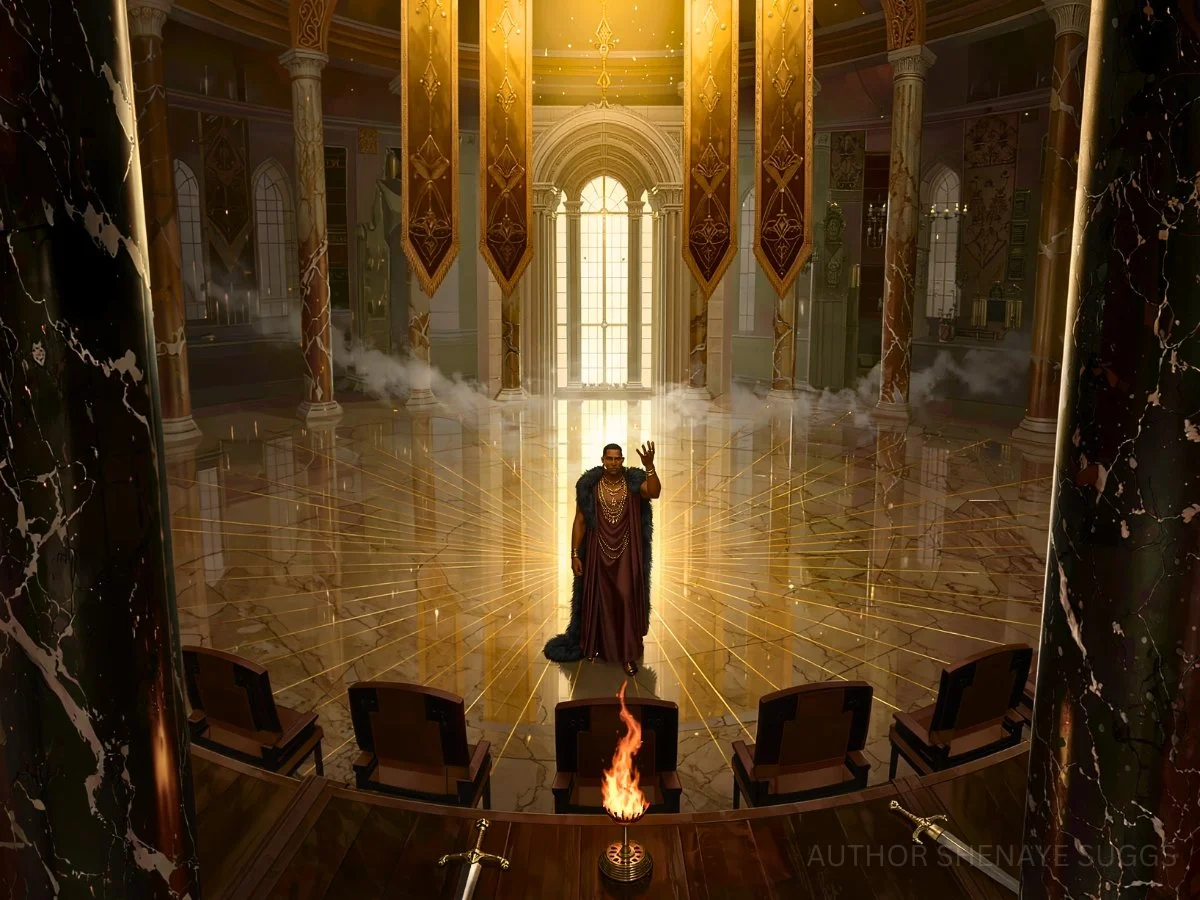
Commanders are Orators who direct.
Their gift organizes energy. They can bring order to chaos, make a room listen, focus a scattered group, or issue instructions that land in the body before doubt can scatter them. In a crisis, their voice can become a spine everyone else borrows.
A Commander’s power is not merely volume. It is orientation.
They speak, and the room knows where to face.
In a Rooted State, Commanders lead with clarity, dignity, and responsibility. They do not need to dominate to be obeyed. People follow because the path becomes clearer when they speak.
In a Ruptured State, Commanders become authoritarian. They speak to be obeyed, not understood. They silence dissent, confuse fear with respect, and make their own need for control sound like communal safety.
Body Signs
Commanders often feel their gift as a firming through the spine, shoulders, solar plexus, and jaw.
Their posture may change before they speak. Their voice may become steadier, more resonant, more difficult to ignore. Some feel a sensation like a golden line running from belly to throat, straightening everything it touches.
When grounded, their body feels composed and ready.
When overextended or Ruptured, they may develop tension headaches, jaw tightness, chest pressure, impatience, or a need to control the room before anyone has asked them to lead.
Intimacy
In intimacy, Commanders can be deeply steady.
They often love through decisiveness, protection, planning, and presence. A Rooted Commander can make a lover feel safe because they do not collapse under pressure. They can hold a hard moment without spiraling, name what needs to happen, and make room for tenderness after the storm.
Their confidence can be erotic when it is paired with consent and care.
In rupture, though, they may become controlling. They may make decisions for a lover “for their own good,” speak over vulnerability, or turn relationship into hierarchy. They may expect obedience where intimacy requires mutuality.
Warning
The danger of a Commander is confusing leadership with ownership.
They can make control sound like protection and obedience sound like peace.
Their gift says: Move with purpose, not under fear.
Silvertongues
Primary Domain: Persuasion, diplomacy, negotiation, charm, translation, mediation, de-escalation, and rhetorical finesse.
Elemental Quality: Velvet.
Affinity Region: Diplomatic salons, private negotiations, law offices, dinner tables, riverfront estates, campaign rooms, social clubs, Lucerne Heights, Redwell Court, and any room that cannot be forced but can be turned.
Common Expressions: Negotiating, charming, mediating, reframing, public relations, seduction through language, legal argument, peace talks, and making difficult truths easier to receive.
Rupture Risk: Manipulation, coercive charm, flattery as disarmament, seductive language, dishonest bargaining, and making people agree before they understand.

Silvertongues are Orators who persuade.
They know that not every door opens to force. Some doors open to timing. Some to warmth. Some to wit. Some to a sentence placed so precisely the lock forgets itself.
Silvertongues negotiate, charm, translate, soften, redirect, disarm, and make difficult truths easier to receive. Their gift is often less public than a Flamecaller’s or Commander’s, but no less powerful. Sometimes the future of a city changes not because of a speech, but because of one private conversation where a Silvertongue knew exactly what to say.
In a Rooted State, Silvertongues create understanding. They bridge gaps, de-escalate conflict, and help people hear one another without losing their own center.
In a Ruptured State, they manipulate. They flatter to disarm, bargain without honesty, seduce with language, or make people agree to things they do not fully understand.
Body Signs
Silvertongues often feel their gift in the lips, tongue, throat, hands, and ears.
Their mouth may warm when a phrase is right. Their ears may sharpen around hesitation. Their hands may move as if shaping invisible thread. Some feel a cool smoothness under the tongue when persuasion begins to flow cleanly.
When grounded, their voice feels fluid and precise.
When overextended or Ruptured, they may feel slick, detached, restless, hungry for approval, or tempted to speak beautifully around the truth instead of through it.
Intimacy
In intimacy, Silvertongues can be dangerously tender.
They know how to say what a lover needs to hear, and when Rooted, that gift can be healing. Their words can soften shame, turn conflict into understanding, and make desire feel exquisitely seen. They can flirt like prayer and apologize like they mean the repair more than the performance.
In rupture, though, their mouth becomes a maze.
They may charm instead of change. Apologize without accountability. Seduce their way around hard truths. Make a lover feel chosen while quietly guiding them toward whatever outcome the Silvertongue already wanted.
Warning
The danger of a Silvertongue is beauty without honesty.
They can make a lie sound like a love letter.
Their gift says: Let the word open, not deceive.
Stillvoices
Primary Domain: Silence, restraint, timing, listening, withheld speech, pressure, discernment, and sacred pause.
Elemental Quality: Pause.
Affinity Region: Archives, private studies, elder councils, The Gild, Lucerne Heights, courtrooms before verdict, prayer rooms, negotiation tables, and any space where silence carries consequence.
Common Expressions: Strategic silence, sacred listening, calming rooms, withholding speech until the right moment, drawing confession, pressure through pause, and protecting words from waste.
Rupture Risk: Stonewalling, intimidation, emotional withholding, silence as punishment, complicity, and letting harm continue because speaking would cost too much.

Stillvoices are Orators who wield silence.
They understand that not every power announces itself. Some power waits. Some power listens. Some power lets the room keep talking until the truth gets tired and slips out.
Stillvoices are masters of pause, restraint, timing, and pressure. Their silence can calm a room, indict a liar, draw confession, or make reckless speakers reveal themselves. They are often underestimated by those who think Orators must always speak to be powerful.
Brightmoor makes room for this kind of power. The city is known for deliberate speech, sacred rhetoric, and the hush before a speech lands. In The Moor, every word carries weight, but every silence carries consequence too.
In a Rooted State, Stillvoices use silence as discernment. They listen before declaring. They protect sacred words from being wasted.
In a Ruptured State, silence becomes punishment. They withhold truth, stonewall, intimidate, or let harmful things continue because speaking would cost them comfort, reputation, or control.
Body Signs
Stillvoices often feel their gift in the breath, ears, throat, spine, and behind the eyes.
Their breath may slow when silence is needed. Their throat may close around words that should not yet be released. They may feel a pressure behind the eyes when someone else is speaking falsely, or a soft opening in the chest when a room finally becomes quiet enough for truth.
When grounded, their silence feels spacious.
When overextended or Ruptured, they may feel emotionally locked, physically tight in the throat, withdrawn, cold, or unable to speak even when speaking is necessary.
Intimacy
In intimacy, Stillvoices love through listening.
They can make a lover feel heard without having to perform. A Rooted Stillvoice knows the difference between giving space and disappearing. They can sit in quiet with someone’s pain without rushing to fill the room with advice.
Their intimacy says: Take your time. I’m listening.
In rupture, though, their silence can become cruel. They may withdraw to punish. Refuse to answer. Make a lover beg for words. They may create emotional pressure by withholding what only they can say.
Warning
The danger of a Stillvoice is silence without courage.
Not speaking can be sacred. It can also be surrender to fear.
Their gift says: The pause is also a prayer.
Cultural Role
Orators are deeply woven into Umberland’s public life. They are leaders, lawyers, diplomats, civic strategists, public defenders, council chairs, speechwriters, movement leaders, public speakers, teachers, bankers, financiers, ceremonial officiants, and spiritual debaters. Their work often exists wherever language shapes power: governance, law, policy, education, contracts, public memory, public opinion, and collective direction.
Because their gift can move people, Orators are trained carefully. A gifted voice without discipline can destabilize a room, a family, a court, a movement, or an entire city. Fontenot culture especially treats speech as both sacred and dangerous. Children are often taught cadence, posture, silence, rhetoric, debate, and the ethics of declaration early.
In their best form, Orators help a people name what is true, decide what matters, and move with shared purpose.
In their worst form, they make people confuse being led with being controlled.
Their Reputation
Orators are known for being polished, commanding, articulate, strategic, persuasive, and difficult to argue with unless you came prepared.
They carry a reputation for dignity and danger. People respect them, but they also listen carefully for what is being hidden inside the sentence. An Orator can bless you, defend you, inspire you, seduce you, expose you, bind you, or end your whole public standing with one well-placed line.
They are often seen as intellectual, regal, political, ambitious, and deeply aware of their own presence. Some are warm and village-minded. Some are sharp and ceremonial. Some speak like preachers. Some like judges. Some like lovers who know exactly where language touches skin.
In a Rooted State, their reputation is one of guidance, courage, eloquence, justice, and purposeful leadership.
In a Ruptured State, they become feared for manipulation, ego, coercion, and the ability to make control sound like truth.
People say Orators have golden mouths.
Whether that gold heals or blinds depends on the State.
Affinity Region
Orators can live anywhere in Umberland as long as they tend their gift, but they are naturally drawn to places where language, power, record, law, and public will are treated with reverence. Their strongest affinity region is Brightmoor, the Fontenot-held city at Umberland’s top northeastern tip.
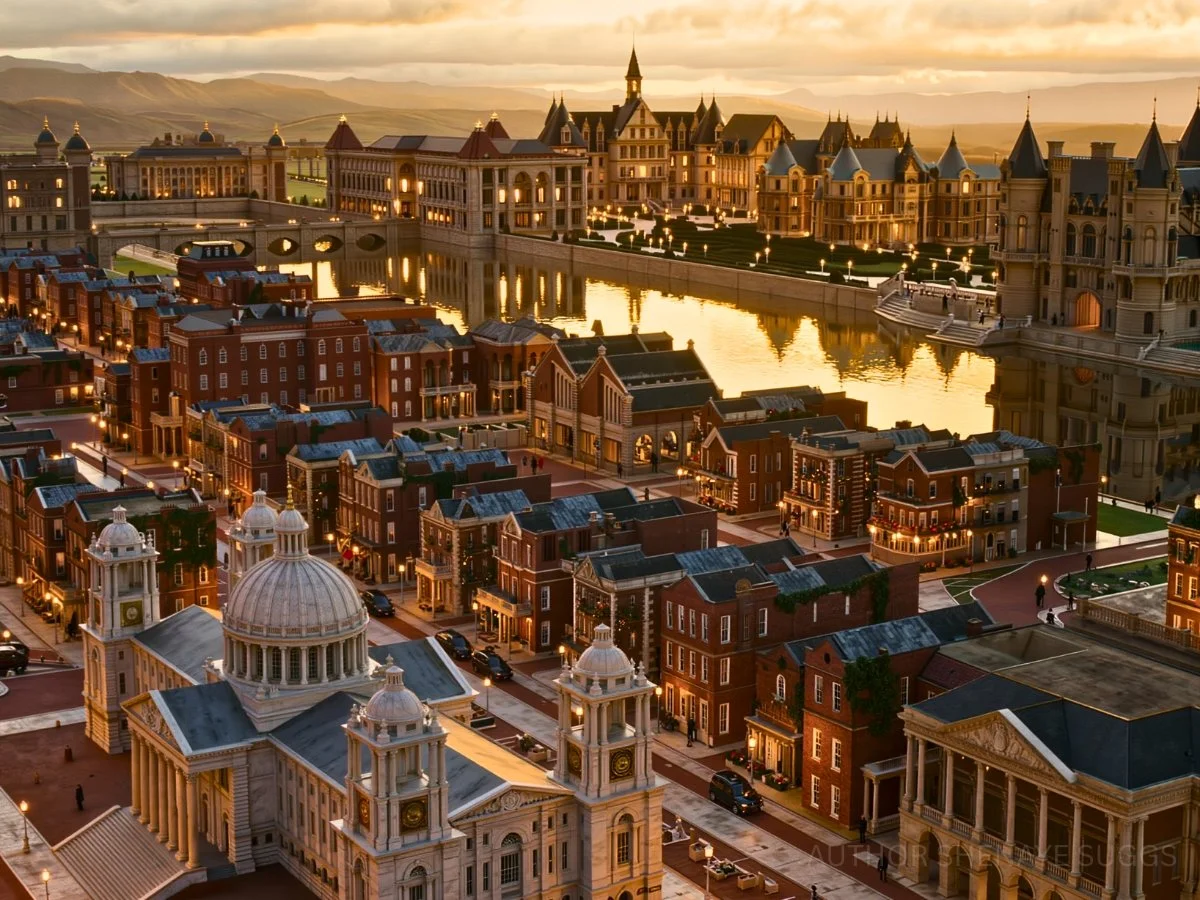
Brightmoor, Umberland
Brightmoor
Brightmoor, known as The Moor, is where river, record, and rhetoric converge. It is regal, intellectual, unapologetically political, and built around the belief that language can become law and intention can become infrastructure. The city keeps time by declaration: dawn for affirmations and fire rites, daylight for deliberation and decision, night for reflection, rehearsal, and the drafting of tomorrow’s truths.
For a Rooted Orator, Brightmoor offers discipline.
Its marble foyers, civic halls, archives, court buildings, river estates, salons, study halls, iron balconies, and gold-lit domes all remind Orators that words have consequence. The city itself seems to listen. Footsteps echo differently there. A murmur can feel like a motion. A silence can feel like a verdict.
Vantier Row in Brightmoor
Vantier Row, downtown Brightmoor, is the epicenter of the Word. Decrees are made there. Stories are archived. Speeches are carved into walls. Protestors and poets share corners with lawyers, elders, and public officials. Flamecallers, Truthbearers, Commanders, and Oathspeakers often feel especially drawn to its civic heat.
The Ledger in Brightmoor
The Ledger, lower Fontenot territory, is more lived-in and intimate: cobblestone alleys, red-brick rowhomes, elders on stoops, young writers dreaming upward, and history’s footnotes waiting to be remembered. It is a natural home for Truthbearers, Silvertongues, and emerging Orators learning that voice does not only come from marble halls. Sometimes it comes from the block.
Redwell Court in Brightmoor
Redwell Court, mid Fontenot, carries old civic weight: elegant brownstones, inherited rugs, libraries, ivy, tailored suits, professors, archivists, lawyers, board members, and the keepers of the ledger. Oathspeakers, Silvertongues, Stillvoices, and Commanders may find strong resonance there, especially those shaping legacy through careful influence rather than public spectacle.
Lucerne Heights in Brightmoor
Lucerne Heights, upper Fontenot, sits near the river, where water becomes metaphor and status. Riverfront homes hold private libraries, carved facades, balconies, and family legacies etched into walls. The air is cooler, misted, and expensive with silence. Stillvoices, Oathspeakers, Commanders, and Silvertongues often gravitate here, especially those who understand that some power moves softly because it has never needed to beg.
The Gild in Brightmoor
The Gild, the Fontenot echelon, is Brightmoor at its most monumental. Estates, courtyards, towers, personal libraries, rose gardens, marble foyers, and portraits that seem to know old contracts all shape its atmosphere. This is power laced in tradition, precise and gold-threaded. You do not simply live there. You represent.
When Rooted Or Ruptured
A Rooted Orator may use Brightmoor as refinement. The city teaches them to weigh their words, honor silence, study history, and speak only when speech is ready to carry consequence.
A Ruptured Orator may use Brightmoor as a stage.
The same halls that preserve truth can also polish lies. The same courts that protect promises can bind people unfairly. The same balconies that lift speeches can feed ego. The same archives that remember can be edited by those powerful enough to decide what deserves record.
Brightmoor does not create Orator rupture. It reveals it.
The Moor teaches Orators the discipline of speech with purpose.
Not voice as volume. Voice as vow. Voice as fire. Voice as memory. Voice as the golden weight of being heard.